





KABUL – August 20: Pakistan, China, and Afghanistan have agreed to extend the multibillion-dollar China–Pakistan Economic Corridor (CPEC) into Afghanistan, a move officials say will deepen regional cooperation and create new opportunities for trade and connectivity.
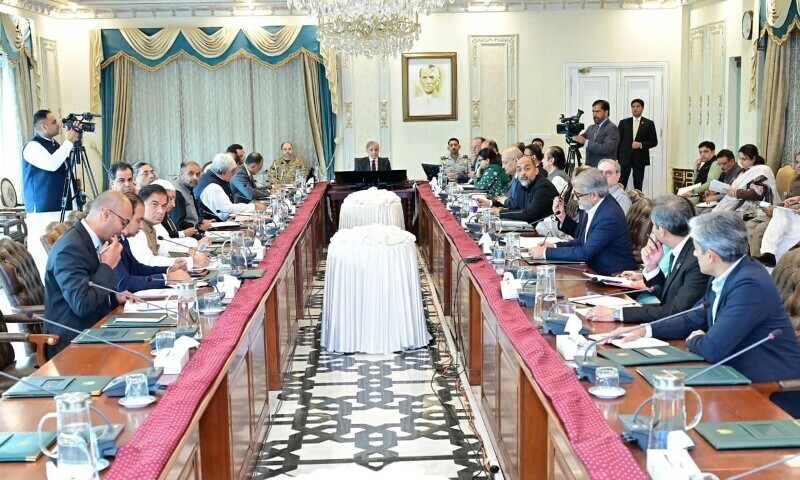
The decision was taken during the Sixth Trilateral Foreign Ministers’ Dialogue in Kabul on Wednesday, attended by Pakistan’s Deputy Prime Minister and Foreign Minister Ishaq Dar, Chinese Foreign Minister Wang Yi, and Afghanistan’s Acting Foreign Minister Amir Khan Muttaqi.
According to the joint statement, the three countries underscored that CPEC’s extension would provide Afghanistan with greater access to regional markets, boosting transit, infrastructure development, and investment opportunities. The ministers also pledged enhanced cooperation against terrorism and drug trafficking, stressing that coordinated efforts were vital for lasting stability in the region.
The talks also touched upon wider collaboration in health, education, culture, and connectivity. “We remain committed to promoting peace, development, and prosperity in the region,” the joint communique read.
Pakistan Raises Security Concerns
On the sidelines of the meeting, Ishaq Dar held a separate discussion with Amir Khan Muttaqi, where he pressed Kabul to take “concrete and verifiable steps” against terrorist groups involved in cross-border attacks.
Dar pointed to the recent surge in violence inside Pakistan, blaming outfits such as Tehrik-i-Taliban Pakistan (TTP) and the Balochistan Liberation Army’s Majeed Brigade. “Progress in political and trade relations is encouraging, but cooperation in counter-terrorism remains insufficient,” he said.
Muttaqi, however, assured that Afghan territory would not be allowed to be used against Pakistan or any other country. Both sides also welcomed the recent upgrading of diplomatic ties from chargé d’affaires to ambassador level, describing it as a positive step toward stronger bilateral relations.
Expanding Regional Connectivity
The dialogue also revisited earlier developments, including Dar’s visits to Kabul in April and July, where several agreements were either implemented or close to completion.
Dar recalled his participation in July’s signing ceremony of the Framework Agreement on the Joint Feasibility Study for the Naibabad–Kharlachi rail link under the Uzbek–Afghan–Pakistan (UAP) Railway Corridor. Calling it a “significant milestone,” he said the project would link Central Asian states to Pakistani seaports through Afghanistan.
“The UAP corridor is a game-changer, opening new trade routes that will strengthen economies across the region,” Dar remarked.
Both sides concluded the talks by reaffirming their commitment to accelerating cooperation in trade, transit, and security for mutual benefit.


