



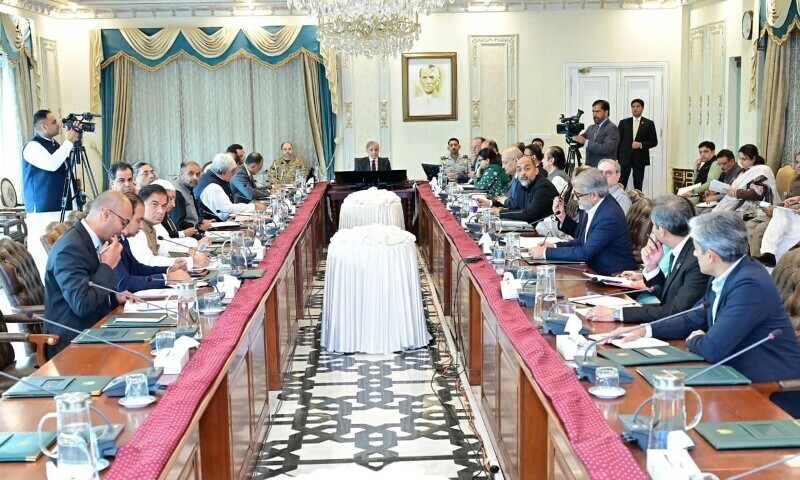

A new IMF assessment has laid bare the scale of Pakistan’s corruption problem, revealing that the country loses as much as 6.5% of its GDP each year due to entrenched elite influence, weak institutions, and systemic mismanagement.
Although authorities have managed to recover Rs. 5.3 trillion over the past two years, the report notes that this figure represents only a fraction of the actual economic damage. Corruption, it says, persists across multiple layers of governance—stalling development, weakening public confidence, and tightening financial pressure on ordinary citizens.
According to the IMF, powerful groups continue to shape regulations and policies to protect their own interests. One of the clearest examples is seen in the sugar sector, where rules have repeatedly been aligned to benefit a handful of influential players, directly affecting prices and availability for consumers.
The report highlights that Pakistan’s oversight mechanisms remain fragmented and ineffective, with slow courts, overlapping anti-corruption bodies, and inconsistent enforcement creating an environment where wrongdoing often goes unpunished.
To reverse this trend, the IMF has recommended a five-year roadmap aimed at strengthening governance. These proposals include transparent and merit-based judicial appointments, a stronger and more independent anti-corruption framework, and fair, uniform implementation of laws across the board.
If implemented properly, the IMF believes these reforms could boost Pakistan’s GDP by 5% to 6.5%, improve investor confidence, and help stabilize long-term economic growth.
Crucially, the report stresses that fighting corruption is not just about recovering stolen money—it is about rebuilding systems where rules are applied fairly, public resources are protected, and citizens have equal access to opportunities.
Experts say that adopting these reforms could help Pakistan rebuild trust in state institutions, attract investment, and move toward sustainable development. Without meaningful changes, they warn, corruption will continue to erode economic potential and undermine confidence in the country’s future.


