





Govt eyes Rs3.3 trillion for mega dams as India’s water aggression and climate challenges intensify
ISLAMABAD — The International Monetary Fund (IMF) has called on Pakistan to make water resource management a top national priority, warning that the country’s economic stability and environmental future depend on decisive action.
“Water resource management in Pakistan has become even more critical than before,” said Mahir Binici, the IMF’s Resident Representative in Islamabad, while addressing the closing session of a four-day conference hosted by the Sustainable Development Policy Institute (SDPI).
His remarks came at a time when Pakistan faces two mounting threats — India’s increasing control over shared water resources and the growing impact of climate change, which has disrupted river flows and intensified both floods and droughts.
Search for Funding to Complete Mega Dams
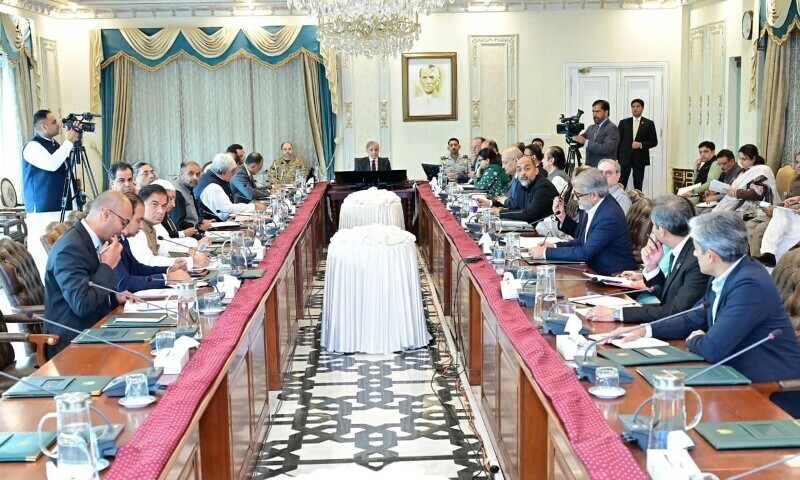
Sources within the government revealed that Pakistan is currently seeking Rs3.3 trillion to accelerate the completion of several mega dams by 2029-30. The proposal was discussed during a recent meeting attended by both civilian and military leadership. However, consensus could not be reached among the provinces and the federal government over how to finance these projects.
Officials said the federal government wants provinces to share part of the financial burden, though one proposal under consideration involves reprioritising the Public Sector Development Programme (PSDP) by cutting politically driven projects.
According to the Ministry of Water Resources, progress on key projects remains slow. The Mohmand Dam could take up to 15 years to complete, while the Diamer-Bhasha Dam may need more than two decades at the current pace of funding.
To raise additional revenue, the government had suggested imposing a 1% cess on the gross value of taxable supplies, but the IMF declined to support the move.
Economic Risks of Inaction
Binici stressed that Pakistan must invest at least 1% of its GDP in resilient infrastructure to mitigate the devastating economic effects of natural disasters such as the 2022 floods. “Such investment not only limits output losses but accelerates recovery, helping the economy return to a growth trajectory much faster,” he said.
The IMF official highlighted how three rivers flooded during the last monsoon, causing damages worth nearly Rs1 trillion. He also pointed out that Pakistan alternates between periods of severe water scarcity and excessive flooding a dual challenge that threatens agriculture, livelihoods, and infrastructure alike.
Global Partners Call for Urgent Action
World Bank’s Country Representative to Pakistan, Bolormaa Amgaabazar, underscored that the 2022 floods inflicted damages exceeding $30 billion. She noted that even more recent floods have caused an additional $2.9 billion in losses, warning that Pakistan remains among the world’s most disaster-prone countries.
SDPI’s Executive Director, Dr. Abid Qaiyum Suleri, said that regional participants, including representatives from Bangladesh, condemned India’s attempts to “weaponise” shared water resources and urged South Asian cooperation to counter the threat collectively.
Private Sector and Climate Responsibility
Jason Avancena, Managing Director of Nestlé Pakistan, shared that his company has invested over $30 million toward climate resilience and renewable energy initiatives, highlighting the private sector’s growing role in supporting sustainability goals.
Fiscal Challenges and IMF Conditions
Binici also cautioned that Pakistan’s economic vulnerabilities including weak governance, a narrow export base, and low tax revenues are now being magnified by climate pressures. The IMF expects Pakistan to raise its tax-to-GDP ratio to 13.5% and build fiscal buffers by September 2027 under the current programme.
He noted that despite fiscal challenges, Pakistan continues to invest heavily in non-priority projects, such as a proposed Rs213 billion hospital and a five-star hotel in Islamabad.
“Pakistan’s state footprint remains very large, absorbing resources that could otherwise be directed toward climate resilience and development,” Binici said, urging the government to rethink spending priorities.


