




ISLAMABAD — July 28, 2025: The federal government has imposed a ban on land travel for Pakistani pilgrims heading to Iraq for Arbaeen, citing deteriorating security conditions in Balochistan. Interior Minister Mohsin Naqvi announced the decision on Sunday, stating that pilgrims will now only be allowed to travel by air.
The move comes after consultations between the Ministry of Foreign Affairs, Balochistan’s provincial administration, and national security agencies. “Zaireen will not be permitted to travel to Iraq and Iran by road this year,” Naqvi posted on X (formerly Twitter), stressing that the measure was taken in the interest of public safety and national security.
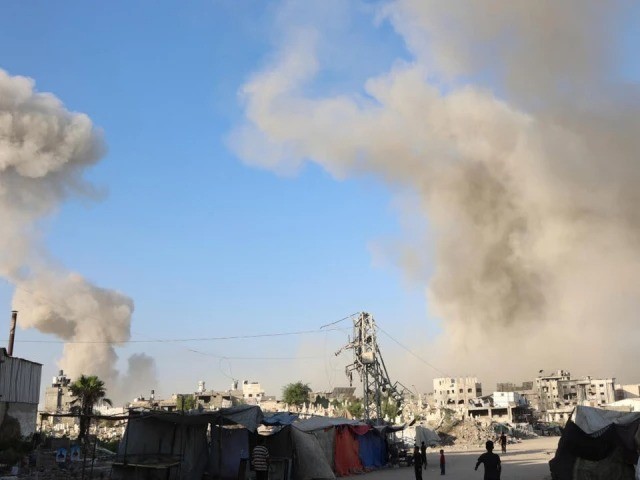
Each year, tens of thousands of Pakistani pilgrims make the journey to Karbala for Arbaeen, marking the 40th day after Ashura. Traditionally, a large number travel overland via Balochistan and Iran. However, the worsening law and order situation in the province — including a rise in terrorist activity allegedly linked to Indian-backed groups — has led authorities to rethink the route.
To accommodate the pilgrims, Prime Minister Shehbaz Sharif has directed officials to arrange as many flights as possible. Acting on this instruction, Pakistan International Airlines (PIA) has scheduled four special flights from Karachi to Najaf between August 8 and 11, with return flights set between August 18 and 21.
According to a PIA spokesperson, each ticket is priced at Rs212,000, and bookings have already begun. He also noted that more flights could be added if demand increases. However, not everyone can simply board a plane. Individual travelers will need sponsorship from residents in Iraq to gain entry.
Meanwhile, private airlines have hiked their fares, with one-way tickets now ranging from Rs300,000 to Rs350,000. Tour operators estimate that group travel by air will cost about $1,400 per person—nearly triple the cost of land travel, which previously averaged $550. The sharp increase in cost has sparked concern among low-income pilgrims who fear they may be priced out of performing the pilgrimage this year.
Pilgrim group leaders, known as Salars, have expressed frustration, saying the government’s last-minute announcement — just two weeks before Arbaeen — has caused major financial setbacks. Many pilgrims had already paid for visas, transport permits, and hotel reservations. “This loss isn’t hitting the elite. It’s the poor who are suffering,” said one organiser, speaking to The Express Tribune on the condition of anonymity. He questioned why the policy wasn’t announced during the recent trilateral talks between Pakistan, Iran, and Iraq, where such restrictions were reportedly on the table.
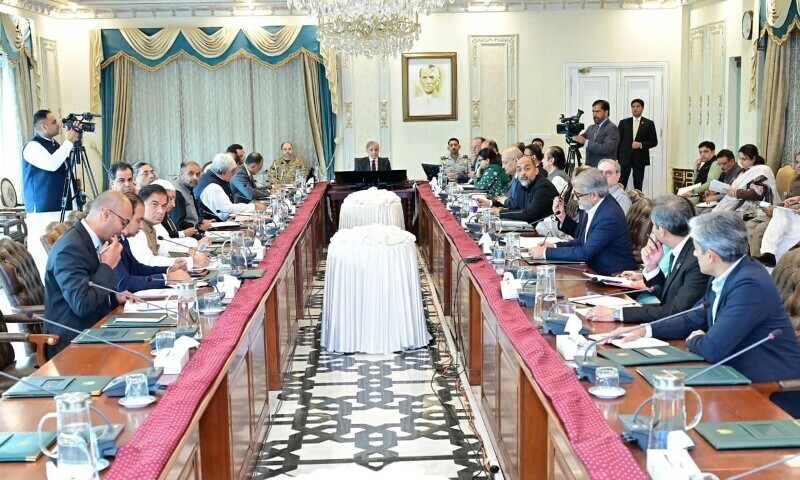
In a meeting with Prime Minister Sharif, Minister Naqvi provided a detailed briefing on the Balochistan security situation and the revised pilgrim policy. The Prime Minister also ordered the launch of the Gwadar Safe City initiative to improve regional safety and infrastructure.
Looking ahead, Naqvi announced that starting next year, only pilgrims registered through officially approved organisers will be allowed to travel. Those seeking to go independently will need special embassy-issued visas. The goal, he said, is to improve oversight, prevent illegal travel, and address concerns about pilgrims overstaying abroad.
During his recent visits to Quetta and Azad Kashmir, the interior minister paid respects at the Frontier Corps headquarters and met with the family of Major Rab Nawaz, a fallen officer in Muzaffarabad. He lauded the sacrifices of the armed forces in upholding peace, especially in conflict-prone regions.


