





Lawyers question optics as finance minister meets top judge while key FBR cases remain pending
ISLAMABAD:
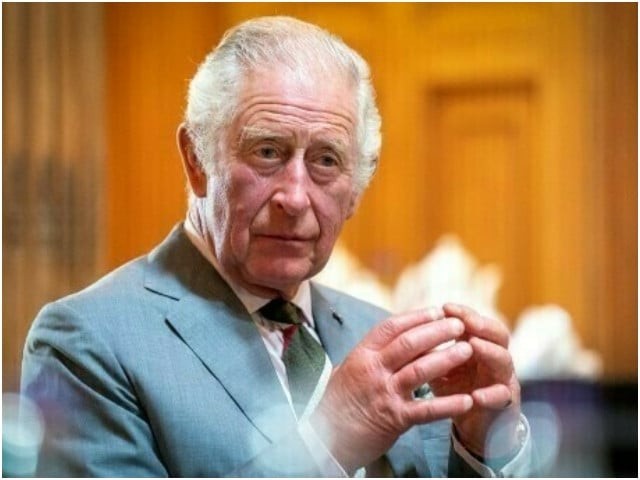
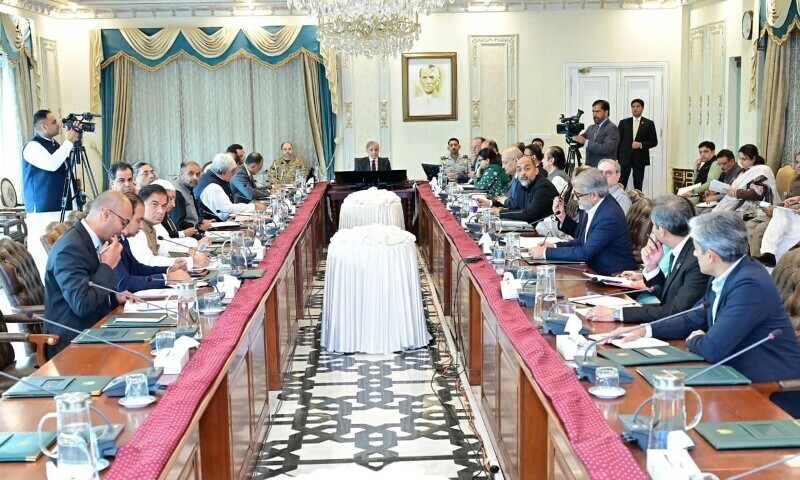
A rare face-to-face meeting between Chief Justice of Pakistan (CJP) Yahya Afridi and Federal Minister for Finance and Revenue Senator Muhammad Aurangzeb has set tongues wagging in legal circles, with many questioning the optics and timing of such an engagement.
According to an official statement, the meeting accompanied by a photograph focused on the need for “coordinated efforts” between the judiciary and the executive to strengthen the rule of law and protect citizens’ fundamental rights. However, the absence of Attorney General for Pakistan Mansoor Awan and the public release of the encounter have sparked debate over whether such a display was necessary, particularly when the finance ministry oversees one of the Supreme Court’s largest litigants the Federal Board of Revenue (FBR).
Some insiders were quick to point out that CJP Afridi and Aurangzeb are former college mates, suggesting the meeting could be seen in a personal context. Yet, for several senior lawyers, the optics remain troubling. “When the FBR is involved in hundreds of cases before the apex court, even a well-intentioned meeting can raise questions about impartiality,” one senior counsel remarked.
FBR Disputes Under Scrutiny
The timing of the meeting is notable. Just last month, a bench led by CJP Afridi halted proceedings in all cases before the Alternate Dispute Resolution Committees (ADRCs) bodies working under the FBR to handle tax disputes. The court raised concerns over the appointment process for ADRC members and directed the FBR to seek input from all stakeholders before finalising its policy. The case is due to be heard again on September 8.
Several lawyers representing state-owned enterprises (SOEs) have criticised the ADRC system as deeply flawed. One counsel accused the committees of “crushing” profit-making SOEs with aggressive tax recoveries, alleging that billions of rupees were taken in June without proper legal notices, simply to meet revenue targets. Others stressed that ADRCs could only earn credibility if they operated independently from the FBR’s influence.
Concerns Over Judicial Independence
Since the passage of the 26th Constitutional Amendment, many legal experts have voiced concern over what they see as increasing executive sway over the judiciary. Some tax practitioners claim that higher courts are offering little relief to those contesting FBR actions, pointing out that the Sindh High Court has issued hundreds of judgments in the tax authority’s favour, while the Supreme Court often does not assign revenue-related cases to judges with the relevant expertise.
Against this backdrop, the CJP’s meeting with the finance minister has unsettled some lawyers, who fear it could send the wrong message to litigants awaiting verdicts in major revenue cases. “Even if there’s no impropriety, perception matters,” a Karachi-based lawyer said. “The judiciary must remain and appear independent.”
Still, CJP Afridi has recently shown a willingness to engage across political lines. In recent weeks, he has met leaders from different parties, including PTI’s Omer Ayub. Supporters say such outreach reflects a broader vision of inclusivity, but critics argue that certain meetings risk blurring the lines between the bench and the executive.


