




Tehran — In a rare and significant revelation, Iran has officially acknowledged that recent U.S. military strikes caused substantial damage to its nuclear infrastructure — a disclosure that marks a turning point in the country’s typically defiant rhetoric surrounding its nuclear program.
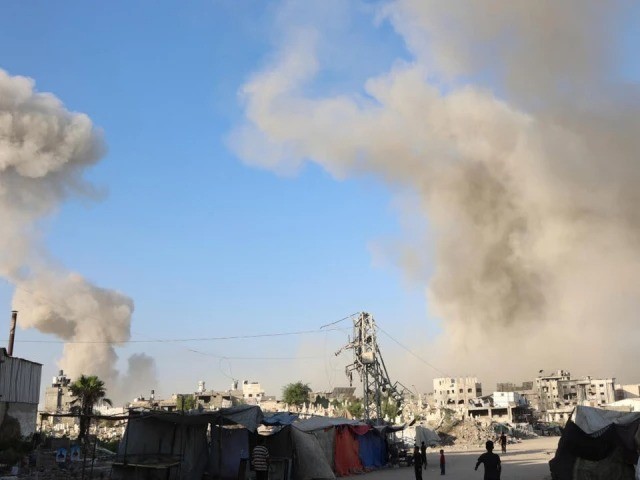
In an interview with Fox News aired on Sunday, Iranian Foreign Minister Abbas Araqchi admitted that the American bombing campaign severely disrupted operations at key nuclear sites, forcing a temporary pause in uranium enrichment activities.
“Our facilities have undoubtedly suffered significant damage, which is still being fully assessed,” Araqchi told anchor Bret Baier on Special Report. Later in the conversation, he went a step further, stating bluntly: “Yes, the facilities have been destroyed.”
This admission comes nearly a month after U.S. President Donald Trump authorized airstrikes on June 22 targeting three major uranium enrichment facilities inside Iran — a move that escalated tensions in the already volatile region and drew sharp international reactions.
Pride vs. Pressure
Despite the setback, Araqchi remained resolute that Iran’s nuclear ambitions are far from over.
“Our nuclear program is not just a political project — it’s the result of decades of hard work by our scientists. It represents our national pride,” he said. “We will rebuild what’s been lost. And we will continue.”
He emphasized that while the recent attacks have set back progress, the country remains committed to resuming uranium enrichment once facilities are restored.
A Shift in Tone
Analysts view Araqchi’s public acknowledgment as a notable shift in tone from Iran, which has historically downplayed the impact of foreign intervention on its nuclear capabilities. This latest statement suggests the damage may be more serious than previously assumed — possibly even enough to delay the program’s timelines.
The bombing also appears to have forced Tehran into a recalibration, if not of intent, then of posture — at least in the international spotlight.
What’s Next?
While no formal timeline was offered for the rebuilding of the damaged sites, sources close to the Iranian Atomic Energy Organization suggest that reconstruction work has already begun at Natanz and two other undisclosed locations.
The question now is whether Iran’s nuclear ambitions can bounce back with the same momentum — and how long it will take to recover lost ground.
For the United States, this admission may be seen as validation of a hardline strategy. But for the international community, it raises deeper questions about the escalating cycle of provocation, retaliation, and the fading space for diplomacy.


