






KARACHI — Amid global market uncertainty and domestic industry struggles, Pakistan’s seafood exports have recorded a modest yet meaningful surge, reaching $465 million in FY25 — a 13.4% increase in value over the previous year.
According to figures released by the Pakistan Bureau of Statistics (PBS), the country shipped out 216,350 tonnes of fish and seafood products this fiscal year, up from 199,738 tonnes in FY24. While encouraging on paper, industry insiders say the uptick masks deeper structural challenges that continue to throttle the sector’s true potential.
Growth Against the Odds
Much of the credit for this growth, say industry leaders, goes to the grit and perseverance of Pakistan’s fishermen and seafood processors. “It’s not easy to keep growing in a global market that’s still feeling the aftershocks of past trade wars,” remarked Saeed Fareed, Senior Vice Chairman of the Pakistan Fisheries Exporters Association (PFEA).
Fareed pointed to the lingering impact of protectionist trade policies, especially the tariff regimes introduced during the Trump administration, which have left demand weakened in key Asian markets, particularly China — the world’s largest seafood consumer. “Exporters are fighting an uphill battle in a subdued market, and still managing to make headway,” he added.
Shrinking Supply, Stalled Capacity
Despite the rise in export figures, the local industry continues to grapple with a worrying decline in raw material supply. Many seafood processing plants are operating at just 20–25% of their installed capacity — a stark indicator of how underutilized Pakistan’s seafood infrastructure has become.
One of the biggest casualties of this trend is shrimp, once Pakistan’s star export. Shrimp landings have plummeted over the past two decades, leaving processors to pivot toward alternative species such as cuttlefish, squid, and octopus. But these can’t quite match the profitability or volume potential that shrimp once offered.
“The truth is, we have the capacity to do much more — but the supply chain has thinned out, and our access to lucrative markets remains limited,” Fareed said.
Markets Still Out of Reach
Access to high-value markets like the European Union and the United States remains a major hurdle. The US ban on shrimp imports from Pakistan continues to block a major revenue stream, while negotiations with the European Commission on inspection and certification protocols have stalled.
Fareed urged the government to act swiftly and engage formally with major international buyers, including the EU, US, and Saudi Arabia, to facilitate plant inspections and reopen these critical markets.
“Until our certified processing plants are allowed back into these economies, we’ll keep hitting a ceiling, no matter how hard we push,” he warned.
Reforms in the Pipeline — But Time Is Ticking
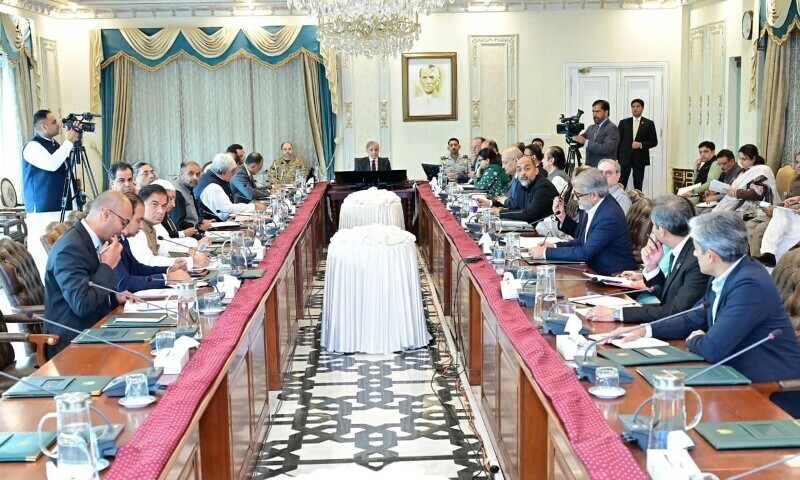
Last year, Prime Minister Shehbaz Sharif directed a full revamp of the maritime and fisheries sector — a move welcomed by the industry but still awaiting meaningful execution. The reform agenda included several forward-looking initiatives:
- Cluster-based shrimp farming in Sindh and Balochistan
- Collaborative shrimp hatcheries with Iran
- Ban on trash fish in fishmeal production
- On-board freezing tech to reduce post-harvest losses
These plans, if implemented properly, could provide a long-overdue shot in the arm for Pakistan’s seafood sector. But for now, exporters say time is of the essence.
The Road to $500 Million — Still Under Construction
For years, Pakistan’s seafood exporters have aspired to cross the $500 million mark. It remains frustratingly just out of reach. Structural inefficiencies, poor resource management, and regulatory bottlenecks continue to hold the industry back.
Marine conservationists, too, have sounded the alarm. Studies from the Marine Fisheries Department and the UN’s Food and Agriculture Organisation (FAO) have highlighted declining fish stocks and stressed the need for urgent reforms.
“We need to stop looking at the sea as an endless reservoir,” said one fisheries scientist familiar with the FAO study. “If we don’t adopt sustainable practices soon, we may lose more than just export dollars — we may lose the very foundation of our coastal economy.”
Final Word
Pakistan’s seafood industry is brimming with potential. The latest export numbers are proof that, even under tough conditions, the sector has life in it yet. But for this growth to become sustainable, the country needs more than just dedication — it needs strategic policy, market access, and a serious commitment to conservation.
If all the pieces come together, surpassing the $500 million mark may not just be a dream — it could be the beginning of a new era for Pakistan’s blue economy.


