



The economic pulse between Pakistan and the United Arab Emirates (UAE) is beating stronger than ever. According to fresh data released by the State Bank of Pakistan, bilateral trade between the two nations surged to an impressive $10.1 billion in FY25 — a significant leap marking renewed interest and deeper cooperation after years of relatively stagnant engagement.
But beneath this headline lies a familiar imbalance.
While Pakistan’s imports from the UAE swelled to nearly $8 billion, its exports stood firm at a modest $2.1 billion — almost unchanged from the previous year. The 20.24% rise in total trade has largely been import-driven, prompting trade experts and business leaders to call for more strategic action to close the widening gap.
A Commission Rekindled, A Relationship Reimagined
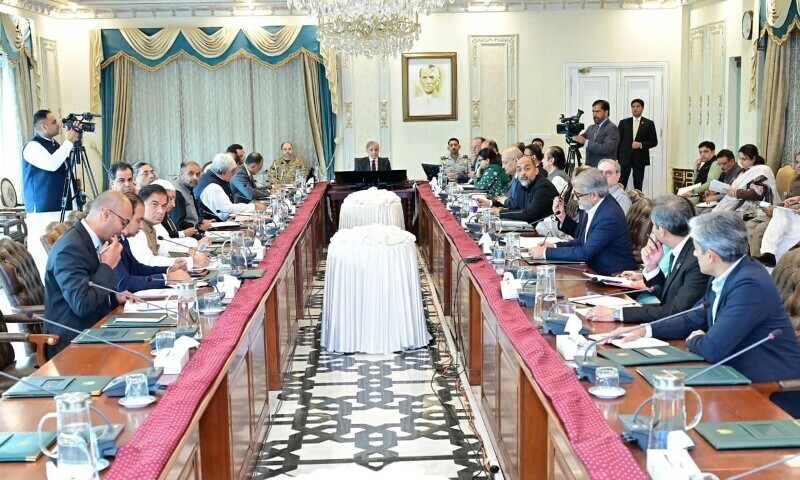
One of the more encouraging signs of renewed intent came during the 12th session of the Pakistan-UAE Joint Ministerial Commission, held in Islamabad after a long 13-year hiatus. The discussions were broad and ambitious, covering trade, investment, food security, energy collaboration, IT, aviation, and manpower exchange.
To many, the revival of the commission signaled more than just diplomacy — it was a clear nod to the shared realization that economic ties between the two countries have room to grow, and fast.
Private Sector Participation: A Missed Opportunity or Untapped Goldmine?
Dewan Fakhruddin, Chairman of the Pakistan-UAE Business Council at FPCCI, believes the potential is massive — if the right people are brought into the fold.
“We appreciate visa exemptions for officials and diplomats, but genuine businesspeople, investors, and industrialists need similar facilitation,” he said. “Stronger business-to-business ties are essential for sustainable economic growth.”
Fakhruddin emphasized that the UAE’s global leadership in solar and renewable energy could serve as a blueprint for Pakistan. With the country battling a persistent energy crisis and rising costs of imported fuels, collaboration in clean energy could be a game changer.
“Adopting UAE-backed solar technologies wouldn’t just reduce our reliance on fossil fuels — it could attract meaningful green investment from the Gulf,” he noted.
Remittances: A Lifeline That Can Be Strengthened
The UAE continues to be a crucial partner for Pakistan, not just in trade but in financial flows. In FY25, remittances from the UAE totaled $7.83 billion — the second-highest after Saudi Arabia — helping offset trade deficits and stabilize Pakistan’s foreign exchange reserves.
Analysts argue that stronger economic integration, coupled with joint ventures in industrial and manufacturing sectors, could ease Pakistan’s import bill and create jobs at home — giving youth and skilled workers more reason to stay.
The Logistics Advantage: Will Pakistan Catch Up?
For Lahore-based exporter and trade consultant Faizan Majeed, the UAE isn’t just a trading partner — it’s a gateway.
“Dubai offers unparalleled access to African, European, and Middle Eastern markets. Pakistani exporters could use its ports, free zones, and logistics ecosystem to grow their footprint,” he explained. “But to do that, we need fewer bureaucratic hurdles, streamlined customs, and a real commitment to ease of doing business.”
Majeed stressed the need for Pakistan to set up dedicated trade facilitation centers tailored specifically for UAE-bound goods and Gulf investors. These centers, he believes, could become the frontlines of a more integrated economic strategy.
The Road Ahead: IT, Fintech, and Regional Access
Beyond traditional trade, Pakistan’s growing IT and fintech sectors are increasingly drawing Gulf attention. With a youthful, skilled workforce and competitive operational costs, Pakistani tech firms are well-positioned to attract capital from UAE-based investors looking to diversify.
Economists believe that if both countries take concrete steps — removing non-tariff barriers, aligning regulatory frameworks, and investing in private sector cooperation — bilateral trade could easily double within the next five years.
Final Thoughts
The numbers are promising. The momentum is real. But for this $10 billion trade relationship to truly mature, it needs more than policy documents and diplomatic meetings — it needs people. It needs investors, entrepreneurs, innovators, and exporters from both sides to connect, collaborate, and commit.
Pakistan cannot afford to be a passive participant in this partnership. If the right infrastructure, incentives, and support systems are put in place, deeper Pakistan-UAE ties could spark a broader wave of regional growth and stability — and bring long-term prosperity to both nations.
As Majeed aptly put it, “If we play our cards right, exporting to the UAE isn’t the end goal — it’s the door to Saudi Arabia, Africa, and the wider Middle East.”


