





Washington – August 1, 2025
In a sweeping move that reshapes the United States’ trade relationships with dozens of countries, President Donald Trump has issued a fresh executive order imposing higher import tariffs — including a 19% duty on Pakistani exports.
While the new rate is still significant, it marks a reduction from the earlier 29% tariff Pakistan had faced, signaling a modest breakthrough following weeks of behind-the-scenes negotiations in Washington. The tariff update was announced just one day after the U.S. and Pakistan finalized a new bilateral trade deal — a pact that also includes joint cooperation on developing Pakistan’s oil reserves.
“We have just concluded a deal with the country of Pakistan, whereby Pakistan and the United States will work together on developing their massive oil reserves,” President Trump declared on his social media platform, Truth Social.
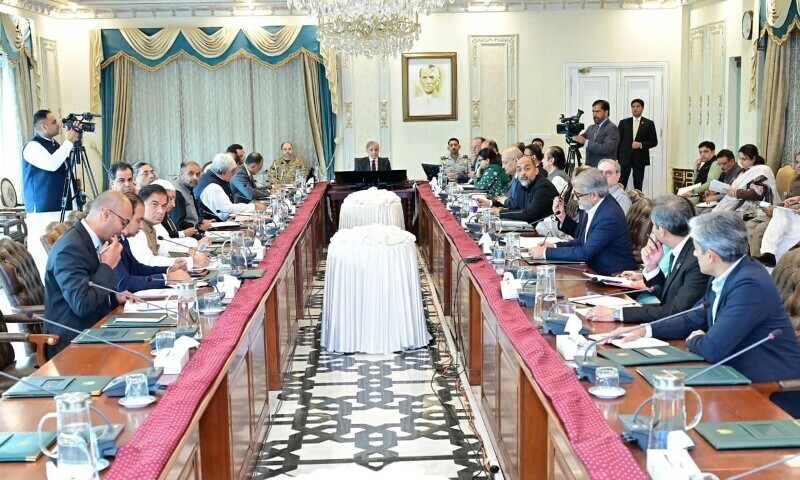
The announcement followed a high-profile meeting between Pakistan’s Chief of Army Staff, Field Marshal Asim Munir, and President Trump — a diplomatic engagement that reportedly helped defuse trade tensions. Finance Minister Muhammad Aurangzeb, who led the negotiations on Pakistan’s behalf, called the final outcome a “real win-win deal,” emphasizing that the agreement helped shield Pakistani exporters from even harsher penalties.
Pakistan’s 19% tariff stands out in comparison to steeper rates levied on some of its regional competitors. India, for instance, has been hit with a 25% tariff, while Bangladesh and Vietnam are each facing 20%. Indonesia, like Pakistan, received a 19% rate, whereas Iraq was slapped with a whopping 35%. Brazil received the harshest treatment at 50%, with Canada close behind at 35%.
The White House had earlier set an August 1 deadline for dozens of countries to strike revised trade deals or face punitive tariffs — some as high as 41%. The baseline import duty was already set at 10%, but countries seen as non-cooperative or strategically misaligned with U.S. interests were penalized more severely. The new order affects 69 nations in total, with the higher rates going into effect within seven days. Some exceptions apply to goods already in transit.
Trump’s directive was blunt in tone, accusing several countries of failing to address what he called “imbalances” in trade or of not aligning with U.S. economic and security priorities. “Despite having engaged in negotiations, some partners have failed to offer terms that are acceptable,” the order stated.
Markets responded with relative calm this time around, a stark contrast to the turmoil triggered by earlier tariff announcements in April. Asian stocks and U.S. equity futures posted modest declines on Friday morning, suggesting that investors had largely priced in the risk.
The new trade framework also outlines tougher rules of origin, which could raise tariffs further depending on where and how goods are manufactured. The White House hinted that more bilateral agreements could be announced in the coming days as part of a broader push to reduce trade deficits and strengthen domestic industries.
In a separate move, Trump issued a targeted order against Canada, raising tariffs on certain Canadian goods from 25% to 35%. The decision, the White House said, was tied to Canada’s alleged failure to cooperate on efforts to stop fentanyl smuggling into the U.S. Trump was openly critical of Canadian leadership, saying, “Canada has been very poorly led.”
Meanwhile, Mexico was granted a 90-day reprieve from a 30% tariff hike on non-automotive and non-metal goods. The extension reportedly followed a phone call between Trump and newly elected Mexican President Claudia Sheinbaum.
India, however, faced a rougher outcome. With talks stalled over U.S. demands for greater access to Indian agricultural markets — and American dissatisfaction over India’s energy trade with Russia — Washington slapped a 25% tariff on Indian goods. The decision drew immediate backlash from opposition politicians in New Delhi and contributed to a sharp drop in the Indian rupee.
While the long-term economic implications of this new tariff regime remain to be seen, early indicators show rising consumer prices in the U.S. Commerce Department data released Thursday revealed noticeable increases in the cost of household items, clothing, and recreational goods — signs that the trade war’s ripple effects may soon be felt in everyday American spending.


