




ISLAMABAD — August 1, 2025:
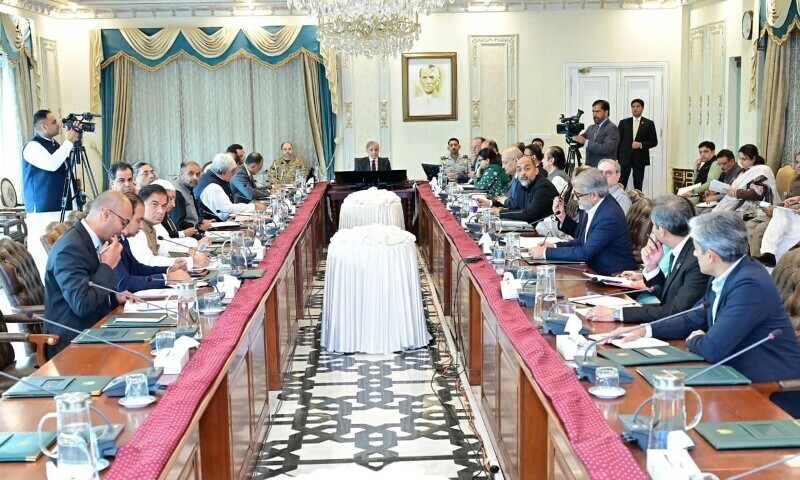
A coalition of opposition forces launched a fiery All Parties Conference (APC) in Islamabad on Thursday, vowing to resist what they described as “engineered politics” and a systematic breakdown of constitutional rule in Pakistan.
Held under the banner of Tehreek Tahafuz Ayin-e-Pakistan (TTAP), the gathering brought together key opposition leaders, civil society figures, and legal experts. With calls for judicial independence, democratic restoration, and electoral transparency, the conference marked a sharp escalation in rhetoric against the current political system, which participants claimed was being manipulated by unelected power centers.
PTI Chairman Barrister Gohar Ali Khan took the stage early, asserting that any meaningful political resolution must begin with respect for the vote and voice of the people.
“Some forces want to end democracy — but democracy will survive,” Gohar declared. “We will restore constitutional supremacy, ensure an independent judiciary, and repeal the 26th Amendment.”
Originally planned at a hotel venue, the conference had to be relocated to former senator Mustafa Nawaz Khokhar’s farmhouse in Tarlai after the hotel abruptly canceled the booking — a move opposition leaders suggested was politically motivated.
The APC’s opening session was marked by strong denunciations of recent court rulings against opposition lawmakers, particularly members of PTI. The TTAP leadership unanimously passed a resolution condemning the prison sentences handed down to dozens of elected representatives, including Opposition Leader Omar Ayub (NA), Shibli Faraz (Senate), and Sahibzada Hamid Raza of the Sunni Ittehad Council.
TTAP spokesperson Akhunzada Hussain Ahmad called the convictions “clearly political,” adding that the APC had no confidence in the judicial process as it currently stands.
PkMAP and TTAP leader Mehmood Khan Achakzai used his address to highlight what he called repeated violations of the Constitution by powerful elements.
“Pakistan is not a battlefield for batons and bullets,” he said. “A state is governed through a social contract — and our Constitution is that contract.”
Achakzai urged members of the judiciary, military, intelligentsia, and civil society to join the movement to restore civilian supremacy and electoral fairness. He also clarified that TTAP was formed independently, without the backing or influence of any state institution.
Former senator Mustafa Nawaz Khokhar denounced what he termed the “black day” in Pakistan’s political history, referring to the simultaneous sentencing of multiple opposition leaders. “This isn’t justice — this is retribution,” he said.
The sentiment was echoed by veteran politician Javed Hashmi, who noted that even without a party symbol, the public continued to support Imran Khan and the PTI. “Now they want to keep him locked away. This is not democracy — it’s a farce,” Hashmi stated, adding that real unity in Pakistan would come through just governance, not coercion.
Former senator from Balochistan, Lashkari Raisani, proposed the formation of a “Truth and Justice Commission” to investigate those responsible for constitutional subversion.
“This conference must decide: will political parties negotiate with the establishment or chart their future independently — inside or outside the current parliament?”
Majlis Wahdatul Muslimeen (MWM) chief Allama Raja Nasir Abbas said the constitutional structure of the country had “effectively collapsed,” adding that the public had lost faith in the current system. “Only the rule of law and a return to constitutional order can steer Pakistan out of this crisis,” he warned.
Former JI senator Mushtaq Ahmed Khan was even more direct, accusing the Election Commission of acting as a proxy for the establishment.
“Those who won the public’s mandate are in prison. Those who lost are sitting in parliament pretending it’s democracy,” he said.
The APC is set to continue into Friday, with more sessions focused on developing a united political roadmap. TTAP leaders say their movement will persist until genuine parliamentary sovereignty, judicial freedom, and electoral neutrality are achieved.


