




Early Saturday morning, the long-standing hostility between Iran and Israel flared up again, with both sides launching fresh attacks just hours after Tehran ruled out any nuclear talks under current conditions.
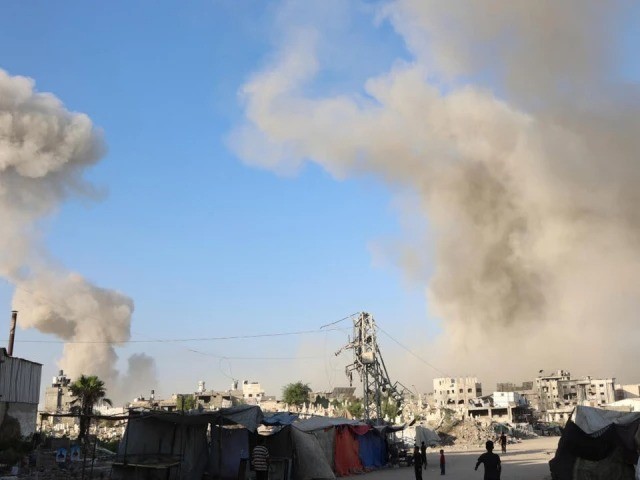
Residents in Tel Aviv woke up to sirens and explosions echoing across the city, as Israel’s air defense systems intercepted incoming missiles. Fiery trails lit up the night sky, and debris from intercepted rockets reportedly caused a fire on the roof of a residential building. Fortunately, no casualties were reported in Israel at the time.
According to Israeli military officials, Iran fired five ballistic missiles. Meanwhile, the Israeli forces struck back with what they described as targeted attacks on Iranian missile storage facilities and infrastructure. Iran’s state media claimed that one of the Israeli strikes hit the Isfahan nuclear facility, though they insisted no hazardous material was released. Another building was reportedly hit in Qom, resulting in the tragic death of a 16-year-old and injuries to two others.
This latest round of violence comes against the backdrop of rising global concern over Iran’s nuclear program. Israel accuses Tehran of being on the verge of developing nuclear weapons, while Iran insists its program is strictly for peaceful purposes. According to a U.S.-based human rights group, Israeli airstrikes have killed over 600 people in Iran so far, including key military figures and nuclear scientists. Iran, in turn, has responded with drone and missile attacks, killing at least 24 civilians in Israel, local officials say.
Amid all this, diplomatic efforts seem to be going nowhere. Iranian Foreign Minister Abbas Araqchi made it clear that Iran won’t return to the negotiating table with the U.S. until the “Israeli aggression” stops. While he did arrive in Geneva for talks with European ministers, progress was described as minimal.
Former U.S. President Donald Trump, speaking from Morristown, New Jersey, said he believed Iran could develop a nuclear weapon within weeks or months. He dismissed the views of his intelligence chief Tulsi Gabbard, who had said there was no concrete evidence of such developments. Trump also hinted that he would decide within two weeks whether the U.S. should intervene militarily on Israel’s behalf — giving time, as he put it, for “people to come to their senses.”
He made it clear, however, that he wouldn’t pressure Israel to halt its airstrikes just to allow diplomacy a chance. “It’s tough to ask someone to slow down when they feel they’re winning,” he remarked.
Iran’s position, according to a senior official quoted by Reuters, is that while they’re willing to discuss limitations on uranium enrichment, they won’t accept a total ban — especially in the middle of ongoing Israeli attacks.
At the United Nations, tensions spilled over as both countries’ envoys made strong statements. Israel’s representative insisted attacks would continue until Iran’s nuclear threat was dismantled. Iran, on the other hand, urged the Security Council to take action and expressed serious concern over the possibility of U.S. involvement in the conflict.
Meanwhile, Russia and China have called for an immediate de-escalation, warning that the situation could spiral out of control.
With hundreds of Americans reportedly fleeing Iran and diplomatic talks failing to gain traction, the region is now teetering on the edge of a wider war — and the window for peaceful resolution appears to be narrowing by the day.


