




ISLAMABAD – August 8, 2025:
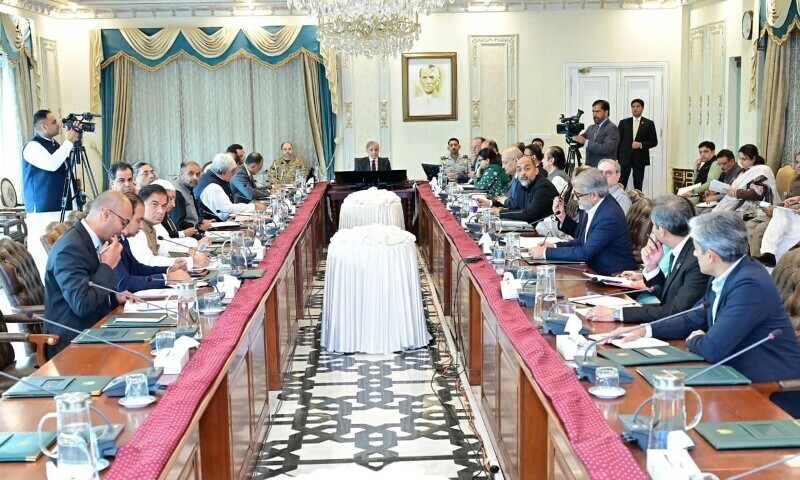
The Supreme Court of Pakistan is set to begin hearings today on a series of election-related appeals, as political uncertainty continues to swirl around the outcomes of several hotly contested constituencies.
A three-member bench, headed by Justice Aminuddin Khan, will preside over the cases, with proceedings scheduled to begin at 9:30am. The bench also comprises Justice Naeem Akhtar Afghan and Justice Miangul Hassan Aurangzeb.
According to the court’s cause list, ten separate petitions are on the docket — covering a wide range of electoral grievances, including allegations of vote rigging, improper delimitation, rejection of nomination papers, and dual nationality concerns.
Among the prominent cases is a petition filed by Aqeel Aslam, who has alleged electoral malpractice in PP-182. His plea calls into question the transparency of the voting process in the constituency.
In another set of petitions, Muhammad Rafiq and Ali Imran have separately challenged the delimitation of their respective constituencies, arguing that the changes made were unconstitutional or politically motivated.
Petitioners Ghazanfar Rasool and Major (retd) Faisal Aziz have moved the court against the rejection of their nomination papers, seeking to overturn the decisions that barred them from contesting in the recent polls.
Meanwhile, Sarbuland Khan and Saleh Bhutani have requested the court to order a recount of votes, alleging discrepancies between polling station data and the final tallies.
Also listed is a petition by Malik Ashraf Khan, who has raised objections regarding the election results issued under Form 47, a form that has come under increased scrutiny in recent election cycles for its alleged use in manipulating outcomes.
Rounding off the day’s agenda is a petition filed by Muhammad Shehbaz, who seeks judicial clarity on the impact of dual nationality on the eligibility of candidates — an issue that continues to divide legal and political circles.
The court’s decision on these cases is likely to have far-reaching consequences, especially as questions around electoral fairness and legitimacy continue to dominate public discourse in the post-election environment.


