


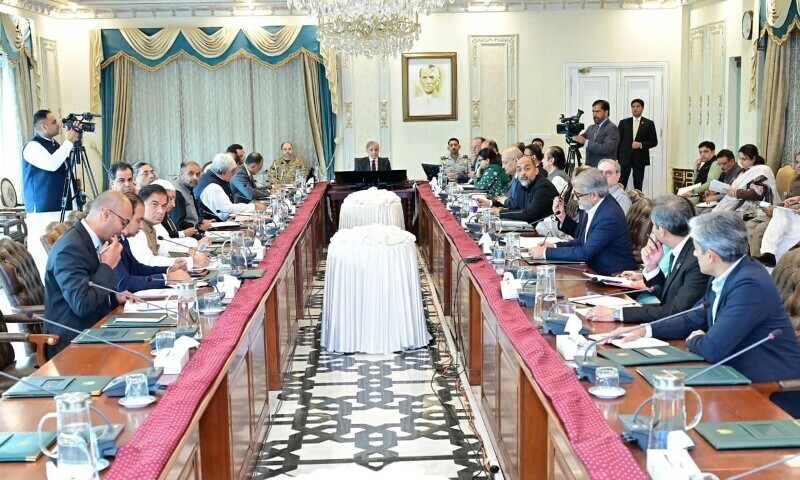

In a clear signal of warming ties, Russia has described Pakistan as a “natural ally” and a key regional partner in economic growth and energy cooperation. The statement came during a high-level meeting in Moscow on Thursday between Russian Deputy Prime Minister Alexei Overchuk and a Pakistani delegation led by Syed Tariq Fatemi, Special Assistant to the Prime Minister (SAPM) on Foreign Affairs.
The meeting was part of Pakistan’s broader diplomatic efforts to revitalize bilateral relations with major global players, particularly in areas of trade, energy, connectivity, and industrial cooperation.
“President Putin views Pakistan as an important partner in the region’s development,” said Overchuk, who hosted the Pakistani delegation alongside senior Russian officials. He added that both countries are “natural allies” — a term that reflects growing convergence in strategic and economic interests.
Joining SAPM Fatemi was SAPM on Industries and Production Haroon Akhtar Khan, who also serves as the focal person for the Pakistan Steel Mills revival project — a historical point of cooperation between the two countries dating back to the Soviet era.
During the talks, both sides reviewed a wide range of mutual interests, including political engagement, trade and investment, energy cooperation, agriculture, and regional connectivity. According to a statement from Pakistan’s Foreign Office, the two countries reaffirmed their commitment to expanding cooperation across these vital sectors.
Fatemi stressed Pakistan’s deep interest in strengthening ties with Russia, describing the relationship as a key priority in Islamabad’s foreign policy agenda. “Pakistan sees Russia as a stabilizing force in global affairs,” he noted, expressing confidence in the future trajectory of bilateral relations.
Deputy PM Overchuk also highlighted that President Vladimir Putin was looking forward to meeting Prime Minister Shehbaz Sharif on the sidelines of the upcoming Shanghai Cooperation Organisation (SCO) Council of Heads of State, scheduled to be held in Tianjin, China later this August.
For his part, SAPM Haroon Akhtar underlined the strategic significance of the proposed steel mill project in Karachi, calling it a “symbolic leap forward” in Pakistan-Russia cooperation. He reminded the Russian side of the historical roots of the project, tracing back to 1956, when Soviet Premier Nikolai Bulganin first offered technical assistance to then-Prime Minister Huseyn Shaheed Suhrawardy for establishing Pakistan’s first steel mill.
Akhtar also presented an overview of Pakistan’s investor-friendly industrial policy, highlighting the government’s efforts to ensure macroeconomic stability and revive industrial growth.
Overchuk, who had previously visited Pakistan in September 2024 and met Prime Minister Shehbaz Sharif in Islamabad during the SCO Heads of Government meeting in October, spoke warmly of those interactions. He pointed to emerging opportunities, especially in regional connectivity projects like the proposed railway link connecting Pakistan, Uzbekistan, and Russia, and the anticipated launch of a pilot cargo train between Russia and Pakistan this August.
Beyond economic matters, the two sides also discussed major regional and global issues — including the evolving situation in South Asia, Afghanistan, and the Middle East. They also reiterated their intention to work closely across multilateral platforms, reflecting shared interests in global diplomacy and regional stability.
Overchuk concluded the meeting by expressing deep appreciation for the visit by the two SAPMs, reaffirming President Putin’s commitment to strengthening the partnership with Pakistan in all critical areas — from energy and infrastructure to strategic diplomacy.


