



In a diplomatic overture aimed at cooling tensions in South Asia, Prime Minister Shehbaz Sharif has reiterated Pakistan’s readiness to engage in “meaningful dialogue” with India on all unresolved matters — signalling Islamabad’s continued openness to regional peace, even amid persistent challenges.
The prime minister’s comments came during a meeting with British High Commissioner to Pakistan, Jane Marriott, at the PM Office on Wednesday. According to an official press release from the PM Media Wing, the conversation touched on a range of regional and bilateral issues, including the delicate state of Pakistan-India relations.
A Nod to London’s Quiet Diplomacy
During the meeting, Prime Minister Shehbaz expressed appreciation for the UK’s diplomatic role in helping de-escalate tensions during the recent post-Pahalgam stand-off between Pakistan and India — a crisis that had once again placed the subcontinent on edge.
While details of the UK’s involvement remain largely behind the scenes, Islamabad appears keen to publicly acknowledge London’s stabilizing efforts. “The UK has consistently played a constructive role in promoting peace and dialogue in the region,” said the prime minister, according to officials familiar with the exchange.
Welcome Relief for Pakistani Diaspora
In a gesture welcomed across the Pakistani diaspora in Britain, the prime minister also hailed the UK government’s recent decision to resume Pakistan International Airlines (PIA) flights to and from the UK — a long-awaited move after years of suspension.
Calling it a “relief for British Pakistanis”, Shehbaz Sharif noted that the decision would not only ease travel-related hardships but also bolster people-to-people connections between the two nations. He also credited High Commissioner Marriott personally for her role in paving the way for the resumption of flights, calling her contribution “instrumental and deeply appreciated.”
Regional Affairs on the Table
Sources say the conversation also spanned developments in South Asia and the Middle East, two regions currently marked by geopolitical volatility. High Commissioner Marriott shared the UK’s perspective on unfolding events and acknowledged Islamabad’s efforts to maintain stability and economic discipline amid difficult circumstances.
She also briefed the prime minister on her recent visit to London, where she held high-level discussions on enhancing bilateral ties. “The UK remains committed to deepening its relationship with Pakistan across trade, education, security, and people-to-people exchanges,” she reportedly said.
A Boost of Confidence on the Economic Front
In a rare moment of diplomatic praise for Pakistan’s internal affairs, the British envoy commended the economic progress made under Shehbaz Sharif’s leadership, particularly over the last 18 months.
She pointed to improvements in key macroeconomic indicators, suggesting that investor confidence was returning, and international partners were taking note. The statement served as a welcome boost for the current government, which has faced tough economic headwinds, including inflation and structural reforms demanded by global lenders.
Privatization Push: Cutting Through Bureaucracy
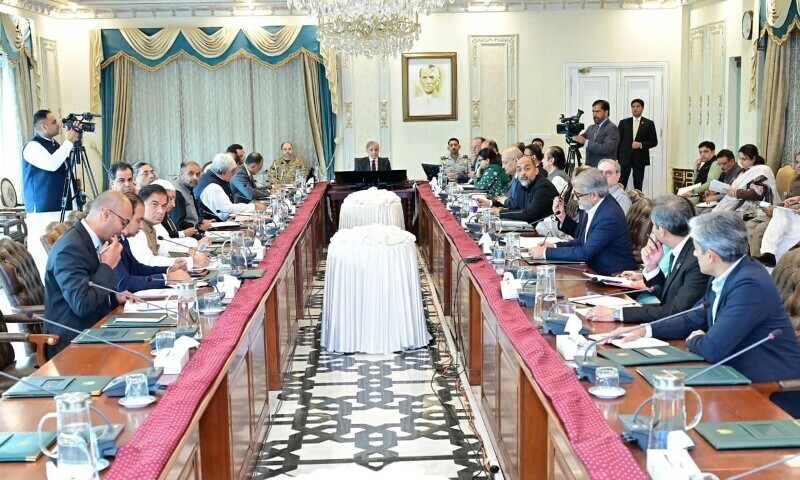
Later in the day, the prime minister turned his attention to domestic governance, chairing a review meeting on the privatization of state-owned enterprises (SOEs). Stressing the need for efficient execution, Shehbaz directed authorities to ensure the Privatization Commission operates with full legal autonomy, free from unnecessary bureaucratic red tape.
“The goal is not just to privatize, but to reform and revitalize — and that requires empowering institutions to do their job without interference,” the premier was quoted as saying during the session.
Looking Ahead
As diplomatic channels begin to warm — and economic indicators show early signs of recovery — Pakistan’s leadership appears to be positioning itself both as a regional peace partner and as a reform-driven administration.
While New Delhi’s response to Shehbaz Sharif’s latest offer for dialogue remains to be seen, one thing is clear: Islamabad wants to talk, and it’s willing to take the first step. Whether that hand will be grasped remains one of the subcontinent’s most pressing diplomatic questions.


