





A panel turned down the plan to add taxes on online shopping saying it’s necessary to shield the growing digital economy.
‘Elite Playgrounds’: Senate Panel Backs Tax on Private Clubs
Proposal to tax digital commerce falls through as lawmakers stress safeguarding the budding tech economy
- Top tax official calls out privileged hubs like Islamabad Club for catering to elites .
- Highlights major income tax changes planned for the next fiscal cycle.
- Massive reserves of luxurious clubs spanning billions, to face taxation.
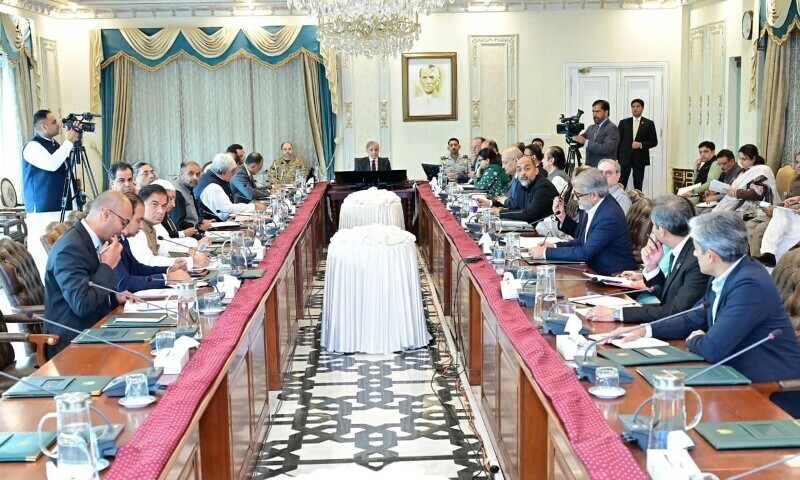
On Wednesday, a Senate committee supported plans to tax the earnings of high-end private clubs across the nation. The decision came after eye-opening disclosures shared by the tax department’s head.
“These clubs are just fancy spots for a small number of privileged people,” said Federal Board of Revenue (FBR) Chairman Rashid Mahmood Langrial during a briefing to the Senate Standing Committee on Finance. The meeting was led by Senator Saleem Mandviwalla.
Langrial explained that elite clubs like the Islamabad Club served a few thousand members yet held billions in their accounts. He pointed out that some owned land worth millions of dollars.
“They need to start giving back. Clubs making profits should be taxed,” Langrial stated.
The committee agreed with this view and approved the idea to tax the profits of large private clubs across Pakistan.
Langrial shared important ideas about income tax plans for the next fiscal year. He mentioned a proposal to exempt taxes on yearly earnings up to Rs600,000.
People who earn between Rs600,000 and Rs1.2 million in a year would need to pay an income tax of 2.5%.
Langrial pointed out that someone earning Rs100,000 a month and paying Rs1,000 as tax would not find it to be a crushing cost.
In the meeting, some members disagreed with him saying the tax relief offered to salaried workers was not enough.
Senator Mohsin Aziz suggested raising the yearly exemption limit to Rs1.2 million. Senator Shibli Faraz shared that inflation had hurt the value of money.
“What used to be worth Rs50,000 now feels like Rs42,000,” Faraz noted.
The committee turned down the idea of taxing online businesses. They said this was important to help the growing digital economy.
According to The News on Wednesday, the FBR expects Rs65 billion in extra income next year from two planned tax changes aimed at e-commerce and foreign platforms selling products in Pakistan.
The government plans to raise the advance tax on offshore digital services from 10% to 15%. This change targets companies like Google and YouTube to push them to set up offices in Pakistan.
Salaried employees in Pakistan might see an increase in their take-home pay soon. The new federal budget includes a proposal to lower income taxes for both middle- and high-income earners to reduce their financial struggles.
While announcing the federal budget for 2025–26 on June 10, Finance Minister Muhammad Aurangzeb shared that Prime Minister Shehbaz Sharif has prioritized helping salaried individuals, who have carried an unfair share of the tax burden for a long time.
The government plans to lower income tax rates for salaried workers across all levels.
Taxpayers making up to Rs2.2 million a year will see the biggest benefit, with their minimum rate dropping from 15% to 11%. This means a 4% reduction.
The finance minister stated there are also plans to adjust rates for higher income groups.
People earning between Rs2.2 million and Rs3.2 million could see their tax rate fall from 25% to 23%. Aurangzeb explained that the goal behind this proposal is not just to provide relief but also to match salaries with inflation while making the tax system fairer and simpler to understand


