






- Govt predicts solar imports may exceed Rs110bn in FY26.
- FBR head mentions 32,000 MW worth of solar imports in the past five years.
- Supports tax to maintain fair competition in local markets.
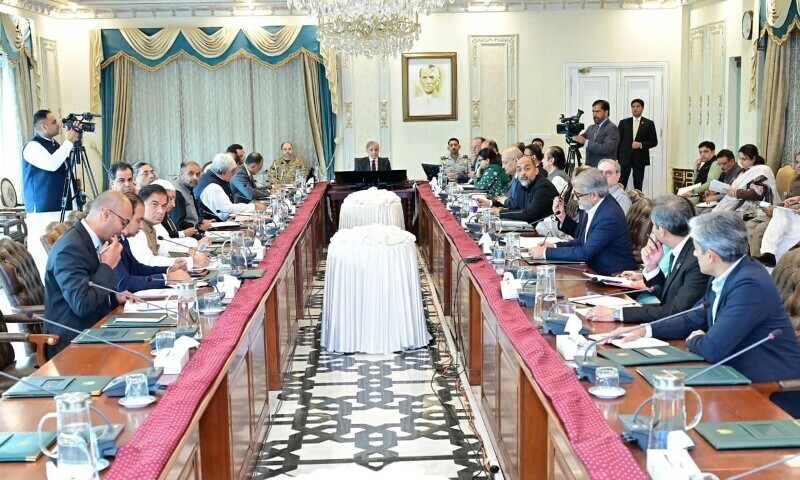
Deputy Prime Minister Ishaq Dar disclosed on Wednesday that the government settled on a 10% tax for solar panels revising down the original 18% General Sales Tax (GST) plan.
“We have decided on a 10% tax for solar panels this year instead of 18%,” Dar announced during a National Assembly session emphasizing that the decision came after joint discussions.
The deputy PM shared a figure that comes out 8% below what the government suggested in its budget plan for the fiscal year 2025-26. That plan had aimed to set an 18% GST on imported solar panels to boost local production and address market gaps.
But the percentage drop happened just a day after the National Assembly finance committee rejected the 18% GST proposal. The rejection was a unanimous decision made to hit fiscal targets supported by the International Monetary Fund (IMF).
The government predicts solar imports will exceed Rs110 billion in the next fiscal year. This hinges on collecting Rs20 billion (or $71 million) in extra taxes even though the industry fears this new tax could hurt the push for more solar adoption in the country.
This planned tax stems from the IMF loan agreement, which led Pakistan to make steep hikes in power and gas tariffs last year. These increases aimed to support the energy sector burdened by debt.
With electricity rates now over 25 percent higher on average many Pakistanis are rushing to install solar panels.
Solar accounted for more than 14% of Pakistan’s electricity supply last year. This was a big jump from 4% in 2021 pushing coal down to become the fourth-largest energy source. UK energy group Ember shared this data.
The solar capacity from net-metered systems in the country more than tripled in under two years. It grew from 1.3 gigawatts in FY2023 to 4.9GW by March 2025, as reported by the Islamabad-based group Renewables First.
Households and businesses drove this rapid increase trying to escape frequent blackouts and rising electricity bills from the grid.
Federal Board of Revenue (FBR) Chairman Rashid Langrial spoke Tuesday at a National Assembly finance session. He mentioned that Pakistan imported 32,000 MW worth of solar equipment in the last five years. Out of this, 13,000 MW remains unused. He also pointed out cases of over-invoicing in these imports.
Earlier in the session, he told the panel that local solar panel makers already face the same tax applied to imported ones. However imported panels had no taxes before this, which affected local manufacturers .
Langrial explained that the new tax on imports will help support fair competition for the domestic industry.


