



Islamabad | July 2025
After years of turbulence and failed reform attempts, Pakistan International Airlines (PIA) is preparing to take flight once again — literally and financially. In a bold move symbolizing a new beginning, the national carrier is set to resume flights to the United Kingdom starting August 14, following the lifting of a long-standing ban.
This comeback coincides with renewed government efforts to privatize the loss-making airline — an effort that could finally reshape the future of Pakistan’s aviation sector.
A New Chapter: Investment, Restructuring, and Revival
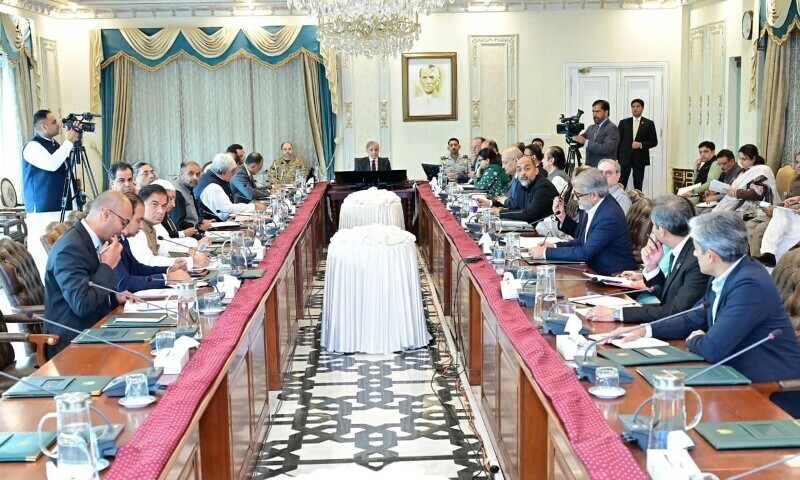
Speaking during a session of the Senate Standing Committee on Privatization, Privatization Commission Secretary Usman Bajwa revealed that the new buyer of PIA will need to invest Rs60–70 billion over five years. The capital injection would be aimed at reviving operations, improving the airline’s financial footing, and doubling the current fleet size.
Currently, PIA is operating 19 aircraft, with the average fleet age now exceeding 18 years — a major concern in an industry where efficiency and reliability are tied directly to fleet modernization.
Bajwa emphasized that the final investment requirement would only be determined once audited financial statements for the period ending June 2025 are finalized by mid-next month. However, early indicators suggest a leaner investment target than the last failed privatization effort in which the government expected $300 million.
One reason for the revised estimate? The reopening of international routes, particularly to Europe and the UK, which could boost revenues significantly. Additionally, tax exemptions on leased aircraft are expected to reduce overheads for potential buyers.
UK Flights Resume — A Turning Point
After years of being grounded by UK aviation authorities, PIA is set to restart direct flights to Manchester. The ban was imposed during the PTI government following a damaging revelation that several PIA pilots held fake credentials — a scandal that dealt a major blow to the airline’s global credibility.
Now, with safety protocols in place and diplomatic channels reactivated, the August 14th flight marks a symbolic return to international legitimacy.
“We’re entering a crucial stage,” said Adviser to the Prime Minister on Privatization, Muhammad Ali. “The buyer will retain 85% of the bid amount to reinvest in the airline. Only 15% will go to the government — because success here means turning PIA into a self-sustaining, competitive business.”
Privatization: Second Time’s the Charm?
The government plans to sell 51% to 100% stakes in PIA, including management control. But it’s a delicate balancing act. The last attempt in 2024 failed to meet expectations, with only Rs10 billion offered against a minimum reserve price of Rs85 billion. This time, officials hope things will be different.
Why the optimism? According to Bajwa, the government has already removed Rs45 billion worth of liabilities from PIA’s balance sheet and parked them in a holding company — making the airline more attractive to investors. Also, years of Rs100 billion annual bailouts have finally become politically and economically untenable.
“The current business model is simply unsustainable,” Bajwa admitted. “But this time, we’ve cleaned up the books, trimmed the fat, and are offering a more transparent and focused opportunity.”
Due diligence is already underway. Pre-qualified companies will begin site visits and expert briefings next week. These sessions will include technical details about aircraft condition, route performance, and future fleet planning.
Reality Check: Financial Myths and Misconceptions
Earlier government claims that PIA had posted a Rs26 billion profit last year were debunked by the Ministry of Finance, which clarified that the figure was an accounting adjustment, not operational profit. In reality, the airline suffered a net loss of Rs4.6 billion.
The “profit” came from treating previous losses as deferred assets — a paper maneuver that doesn’t translate into real-world solvency. This has sparked renewed calls for transparency in PIA’s reporting and a more honest narrative around its financial health.
Pensions, Delays, and Other Challenges
Beyond fleet and finance, the committee also addressed pension grievances from PIA retirees. With 6,625 pensioners relying on Rs14.9 billion in total liabilities, committee chair Senator Dr. Afnan Ullah Khan voiced concern about the low pension amounts and demanded a grade-wise breakdown for the next session.
Meanwhile, the ZTBL (Zarai Taraqiati Bank Limited) — another entity on the privatization list — is facing delays in hiring a financial advisor due to fee disputes. Though bids were submitted in January 2025, the selection remains pending, as one bidder reportedly demanded Rs500 million, triggering a potential restart of the process.
Interestingly, the Pakistan Minerals Development Corporation (PMDC) has not yet been added to the privatization list, prompting some senators to question the decision’s transparency. They noted that the Petroleum Ministry lacks a legal mandate to initiate such privatizations without broader consultation.
What Lies Ahead
PIA’s return to the skies of Europe could be the beginning of a turnaround — but only if handled with care, clarity, and credibility. The airline, once a source of national pride, has spent too long drifting between crises. Now, with private capital on the horizon and international routes reopening, the stage is set for a long-overdue revival.
But optimism alone won’t lift PIA into the skies. It will take discipline, reform, and honest leadership — something the airline, and the country, desperately need.


