





Islamabad – August 1, 2025:
In a positive development for Pakistan’s economy, the country’s domestic exports have surged by 3.2%, reaching a total of $31.75 billion, according to the latest figures released by the Ministry of Commerce.
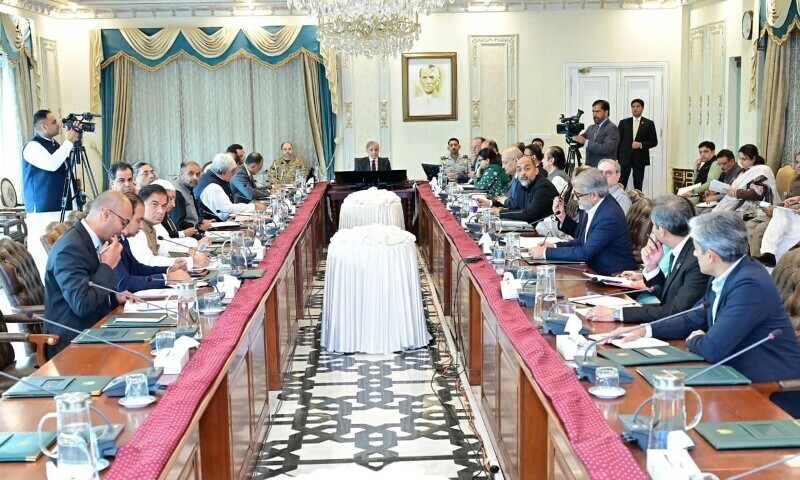
The update came during a high-level meeting chaired by Federal Commerce Minister Jam Kamal, where various sectoral performance indicators were reviewed.
Minister Jam Kamal highlighted key areas of growth, noting that exports of woven garments rose by 15%, stitched garments by 16%, and home textiles by 9% over the previous fiscal period. The most dramatic increase was seen in tobacco and cigarette exports, which skyrocketed by 135%.
Other sectors also performed strongly. Exports of plastic goods posted a 17% jump, while cement exports registered a robust 25% increase.
Speaking at the meeting, the minister directed senior officials to draft targeted export strategies tailored to emerging international markets. He further announced the establishment of a “Trade Alert System” aimed at identifying and swiftly responding to non-tariff barriers affecting Pakistani exports.
In an effort to strengthen institutional coordination, the Commerce Minister ordered the reactivation of sector-specific export councils and called for more structured engagement with the private sector. He also underscored the need to incorporate artificial intelligence and data analytics into future export planning to ensure more precise market targeting and resource allocation.
Officials informed the meeting that a national export strategy will soon be formulated for the country’s growing ICT sector, freelance economy, and creative industries — all of which are considered high-potential avenues for future trade growth.
The government, Jam Kamal assured, remains committed to supporting the business community by expanding access to new global markets and removing export bottlenecks.
To ensure continuous progress, the Ministry of Commerce will now convene performance review meetings every 15 days, the minister announced, as part of a broader accountability and results-driven framework.
.


