






ISLAMABAD: In a major policy shift aimed at curbing state expenditure and reviving economic efficiency, the federal government has decided to shut down the Utility Stores Corporation (USC) — the country’s decades-old subsidized retail chain — by the end of this month.
The announcement was confirmed on Wednesday through a statement issued by the Ministry of Finance and aired by state broadcaster Radio Pakistan. The decision comes as part of a broader push to reform or privatize underperforming state-owned enterprises (SOEs) that have long burdened the national treasury.
Founded in 1971, the USC was originally designed to offer essential food and household items at subsidized rates to low-income citizens. Over the years, however, the once-critical chain has become a symbol of bureaucratic inefficiency, political interference, and persistent financial losses.
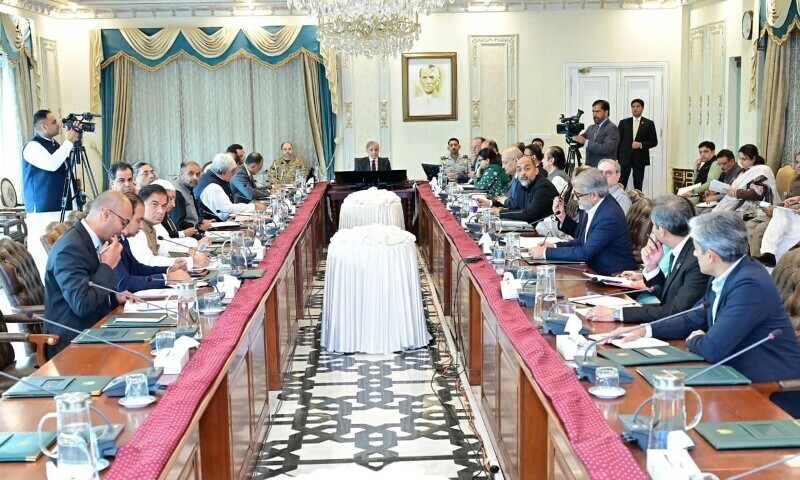
Chaired by Finance Minister Muhammad Aurangzeb, a high-powered committee met in Islamabad to review the shutdown plan and outline a path forward. The committee was constituted by Prime Minister Shehbaz Sharif to oversee the transition process and recommend a suitable Voluntary Separation Scheme (VSS) for the thousands of USC employees affected by the move.
“All operations of Utility Stores Corporation will be closed by July 31 in accordance with the government’s directives,” the statement read, marking a clear timeline for the wind-down of the organization.
Sources familiar with the meeting said extensive discussions were held on how to structure the VSS to ensure fairness and financial sustainability. A sub-committee, led by the secretary of the Establishment Division, has been tasked with finalizing proposals and submitting a comprehensive report on the scheme’s feasibility by the end of this week.
In addition to reviewing employee compensation and severance packages, the committee has sought guidance from the Privatization Commission on the future of USC’s physical assets — whether they should be liquidated or restructured under a potential privatization framework.
Analysts view the move as a significant step toward aligning with fiscal reforms encouraged by the International Monetary Fund (IMF), which has long urged Pakistan to overhaul its loss-making SOEs. The USC’s closure, while controversial in some quarters, could help reduce budgetary leaks and redirect public funds toward more targeted welfare programs.
For years, USC has faced harsh criticism from oversight bodies, auditors, and lawmakers alike. Reports have highlighted procurement inefficiencies, poor inventory controls, and failure to meet service delivery targets — particularly in rural and underserved areas that depend on affordable goods.
While the government says the shutdown is a necessary correction, questions remain about how it will impact inflation-hit households and the thousands of workers employed across USC’s extensive retail network.
The coming days are expected to bring more clarity as the sub-committee submits its findings and the government formally outlines the next steps in this pivotal transition.


