



ISLAMABAD — Pakistan is preparing to significantly expand its manpower exports to Saudi Arabia, targeting the deployment of up to one million workers annually in the coming years. The move follows last month’s landmark defence pact between Islamabad and Riyadh, a development expected to further strengthen bilateral ties beyond military cooperation.
According to Arab News, the initiative aims to align with Saudi Arabia’s Vision 2030 development goals and to meet the Kingdom’s growing demand for skilled and semi-skilled labour. Data from the Bureau of Emigration & Overseas Employment (BEOE) shows that Pakistan sent 1.88 million workers to Saudi Arabia between 2020 and 2024 a 21 percent increase compared to the previous five-year period.
During the same timeframe, remittances from Saudi Arabia rose from $7.39 billion in 2020 to $8.59 billion in 2024, underscoring the Kingdom’s role as Pakistan’s top source of foreign income. In contrast, inflows from the UAE and Qatar remained significantly lower, highlighting Saudi Arabia’s dominance as the primary destination for Pakistani workers.
Boost from Defence Pact
Officials believe the recently signed Saudi-Pakistan defence agreement will not only deepen long-standing security cooperation but also stimulate broader economic engagement.
“The Saudi-Pakistan defence pact will have a great impact on manpower export,” said Gul Akbar, Senior Director at the BEOE. “Currently, around half a million Pakistani workers go to Saudi Arabia each year. From next year, we hope to double that figure to one million.”
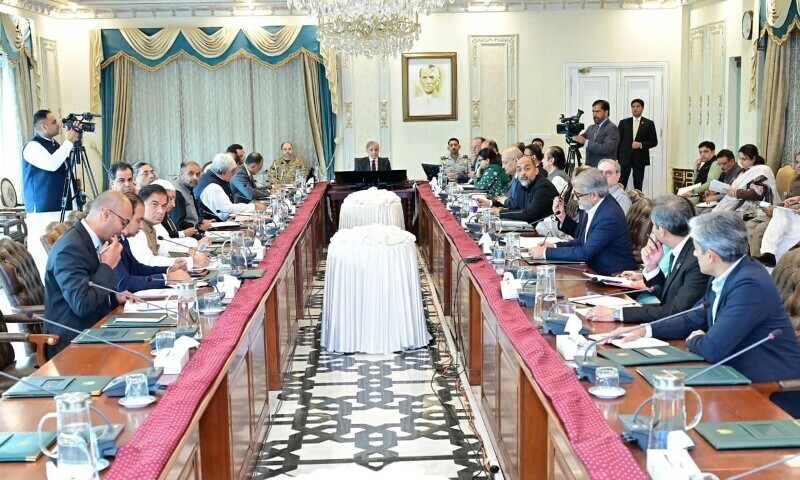
The BEOE, in collaboration with Pakistan’s Special Investment Facilitation Council (SIFC), is developing a comprehensive roadmap to manage this expansion. A high-level committee of ministers and officials has been formed to monitor progress and ensure that labour cooperation aligns with Saudi Arabia’s Vision 2030 projects.
As part of this plan, Pakistan has proposed establishing technical training institutes in both countries to enhance skill certification and employability. Authorities are also working on an e-visa system to streamline the migration process.
Growing Opportunities in the Kingdom
Saudi Arabia continues to dominate Pakistan’s labour and remittance landscape. In August alone, remittances from the Kingdom totaled $736.7 million nearly a quarter of the country’s total $3.1 billion inflows, according to the State Bank of Pakistan (SBP).
Experts attribute the surge to Saudi Arabia’s massive infrastructure and development projects under Vision 2030, as well as preparations for hosting the 2034 FIFA World Cup. These projects have created vast demand for workers in construction, logistics, healthcare, and hospitality sectors.
Meanwhile, Pakistan’s manpower exports to the UAE have sharply declined dropping 65 percent between 2020 and 2024 while Qatar’s intake has more than doubled in the same period, reflecting shifting labour trends in the Gulf region.
To meet Saudi Arabia’s labour standards, Pakistan has partnered with Takamol and the National Vocational and Technical Training Commission (NAVTTC), which now certify workers in 62 skill categories, ranging from construction trades to advanced technical services.
Masood Ahmad, CEO of M.Pak Makkah Manpower Services, said his company alone sent over 2,000 Pakistani workers to Saudi Arabia this year. “The defence pact has boosted Saudi employers’ confidence in Pakistani workers,” he noted, citing strong demand for healthcare professionals and delivery drivers.
Remittances — Pakistan’s Economic Lifeline
Officials view overseas employment as one of Pakistan’s key economic drivers, especially amid ongoing fiscal challenges. “Pakistan’s surplus labour is an economic asset,” said Gul Akbar. “Our overseas workers not only send remittances but also bring back valuable technical expertise and experience.”
In the last fiscal year, Pakistan received a record $38.3 billion in remittances an $8 billion increase over the previous year surpassing even the country’s $7 billion IMF bailout package. Economists say these inflows have been crucial in stabilizing Pakistan’s foreign reserves and narrowing its current account deficit.
As Islamabad and Riyadh continue to strengthen their partnership across defence and economic fronts, the expansion of manpower exports could mark a turning point one that deepens cooperation, boosts remittances, and provides new opportunities for Pakistan’s workforce on a global scale.


