



In a significant development poised to reshape regional trade routes, Pakistan and Russia have agreed to launch a pilot cargo train in August 2025—a project that reflects deepening ties and growing economic alignment between the two historically distant, yet increasingly cooperative nations.
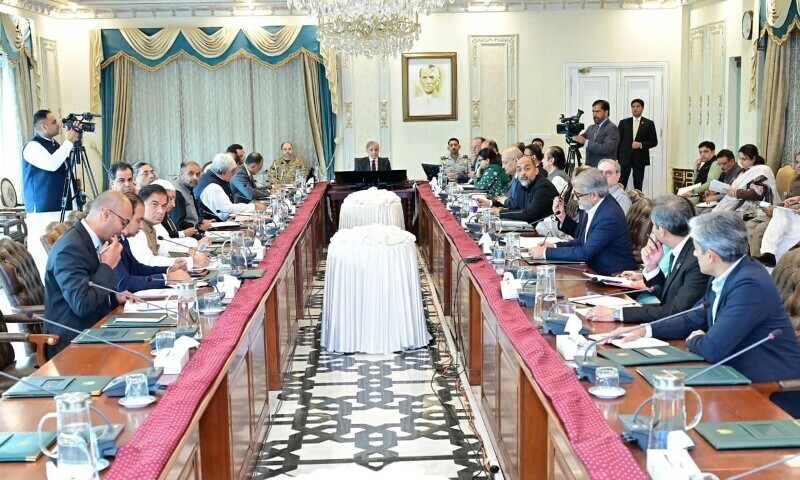
The decision came during a high-level diplomatic visit to Moscow, where Pakistani officials met with Russian Deputy Prime Minister Alexei Overchuk. Leading the Pakistani delegation were Special Assistant to the Prime Minister (SAPM) on Foreign Affairs, Syed Tariq Fatemi, and SAPM on Industries and Production, Haroon Akhtar Khan. The agenda was ambitious, covering a wide spectrum of areas including political dialogue, energy cooperation, trade, agriculture, and regional connectivity.
Bridging Two Economies—One Track at a Time
The highlight of the discussions was the proposed freight train corridor that would link Pakistan and Russia via Uzbekistan. The project—now nearing its pilot phase—aims to streamline the flow of goods across vast terrains, effectively bridging South and Central Asia with Eastern Europe.
Deputy Prime Minister Overchuk emphasized the strategic value of this initiative. Recalling his earlier visit to Pakistan in September 2024, and his meeting with Prime Minister Shehbaz Sharif during the SCO-Head of Government summit in Islamabad, he reaffirmed Russia’s view of Pakistan as a natural partner in regional economic development.
“President Putin sees Pakistan not just as a friendly country, but as a vital economic partner in a fast-changing global landscape,” Overchuk noted during the meeting. He also expressed anticipation for a potential bilateral meeting between President Putin and Prime Minister Sharif during the upcoming SCO Council of Heads of State summit in Tianjin, China, later this August.
Industrial Legacy and Future Ambitions
The talks also revisited an emblematic project from the past—the Pakistan Steel Mills (PSM), originally established with Soviet assistance. SAPM Haroon Akhtar, who serves as the focal person for the PSM revival project, described the mill as a symbolic cornerstone of Pak-Russia cooperation. He stressed that discussions around a new steel mill in Karachi were progressing and held the potential to become a flagship for industrial collaboration between the two countries.
“Our industrial policy has been tailored to attract long-term investment and ensure macroeconomic stability,” Akhtar said, adding that the government’s pro-investment environment could serve as fertile ground for joint ventures in steel, energy, and infrastructure.
Politics, Policy, and the Road Ahead
SAPM Fatemi underlined Pakistan’s strong diplomatic commitment to fostering its relationship with Russia. “We consider Russia a stabilizing power in global affairs,” he remarked, reinforcing Islamabad’s desire to broaden cooperation on political and economic fronts.
The two sides also engaged in a broader conversation about geopolitical issues, including the situation in South Asia, Afghanistan, and developments in the Middle East—underscoring the multifaceted nature of this evolving relationship.
From Vision to Reality
As the August deadline for the pilot cargo train draws near, optimism is building on both sides. For Pakistan, this marks a tangible step toward diversification of its trade routes, while for Russia, it opens new avenues into South Asia—regions both nations have historically struggled to access directly.
In a world increasingly defined by shifting alliances and logistical bottlenecks, this new freight link could prove transformative—not only for Moscow and Islamabad, but for the entire region looking for alternatives to traditional trade corridors.
Whether it’s steel, grain, energy, or political understanding, the train that sets off in August may just be the beginning of a new journey—one track at a time.


