



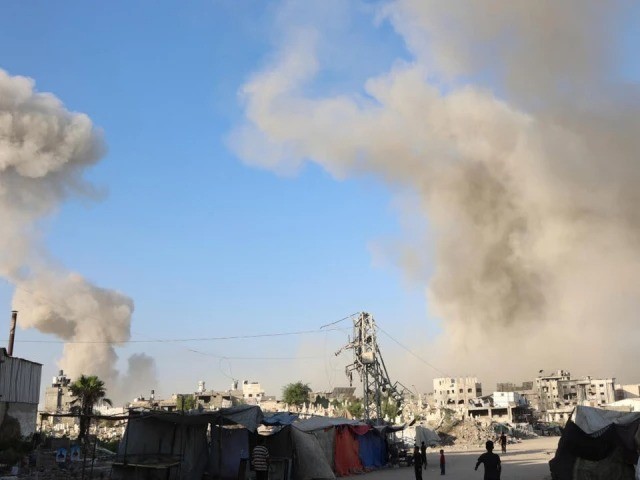


KARACHI — A tragedy in the heart of Lyari has turned into a criminal investigation, as authorities move swiftly to hold those responsible to account. In a rare and bold move, police raided the Sindh Building Control Authority (SBCA) office this week, detaining nine senior officials for questioning, including a retired director.
The arrests come in the aftermath of a deadly building collapse on July 4, when a five-storey residential structure on Fida Hussain Shaikha Road in the Baghdadi area crumbled to the ground. The disaster claimed 27 lives and left 11 others injured, sparking public outrage and a high-level investigation into what many are calling a “preventable catastrophe.”
FIR Filed, Accountability Begins
On Wednesday, police formally registered a First Information Report (FIR) naming several SBCA officials and the owners of the building. The FIR has since been sealed, as authorities intensify efforts to determine how such a fragile structure was allowed to exist — and who turned a blind eye.
Among those taken into custody are:
- Irfan Naqvi – Additional Director General, SBCA
- Zargham Shah
- Asif Rizvi – Retired Director
- Chalis Siddiqui
- Ashfaq Khokhar
- Faheem Siddiqui – Deputy Director
- Zulfiqar Shah – Assistant Director
- Faheem Murtaza
The owners of the collapsed building have also been arrested and are currently under interrogation.
Illegal Construction and Lax Oversight
According to investigation sources, the detained SBCA officials are being questioned over their alleged involvement in illegal constructions in Lyari — one of Karachi’s oldest and most densely populated neighborhoods. There is growing suspicion that these officials not only failed to prevent structural violations but may have actively facilitated them in exchange for bribes.
“This isn’t just negligence. It points to a system that’s been compromised from within,” said a senior official close to the investigation.
Human Cost and State Response
As families bury their dead and others struggle with injuries, the human cost of the collapse remains staggering. Eyewitnesses described scenes of chaos, with residents scrambling through rubble, searching for loved ones.
In response to the disaster, Governor Sindh has launched immediate relief efforts. The Governor House has begun providing daily meals to families affected by the demolition of similar unsafe buildings in Lyari. The move, though appreciated, is being seen as a short-term balm for a long-festering wound — decades of unregulated urban sprawl, unchecked corruption, and disregard for safety standards.
A City Built on Shaky Foundations?
Karachi has long struggled with unregulated construction, especially in lower-income areas like Lyari, where developers exploit loopholes and enforcement agencies often look the other way. This collapse may just be the breaking point — a moment that forces long-overdue structural reforms in urban governance.
The arrests mark a critical shift in tone: for once, the finger of blame is being pointed not only at private builders but also at the very institutions tasked with protecting public safety. As the investigation continues and more names may surface, one thing is clear — this is not just about a fallen building. It’s about a broken system that needs rebuilding from the ground up


