




ISLAMABAD — Pakistan Railways is gearing up for another major push toward public-private partnership as the Asian Development Bank (ADB) has approved $10 million in assistance for preparing the upcoming Railway Improvement Project. The latest move includes outsourcing 11 additional passenger trains, a decision expected to add nearly Rs 8.5 billion to the organisation’s annual revenue.
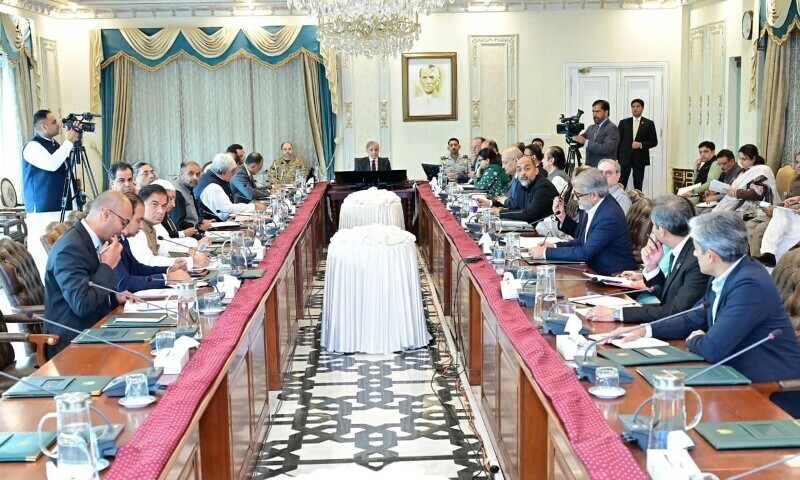
The update was shared during a meeting chaired by Prime Minister Shehbaz Sharif on Saturday. Officials briefed the premier that tenders had already been issued for handing over the new batch of trains to private operators. Pakistan Railways has previously outsourced four passenger trains, with officials claiming a positive response from the private sector.
In the briefing, it was also revealed that railway hospitals in major cities including Lahore, Karachi, Multan, Peshawar, Quetta, and Sukkur are in the process of being outsourced. A similar transition is underway for the department’s schools, colleges, rest houses, and the dry ports located in Islamabad, Lahore, and Azakhail.
The officials added that 40 luggage and brake vans have already been outsourced, generating an expected Rs 820 million. Meanwhile, the outsourcing of two cargo express trains is in progress and is projected to bring in an additional Rs 6.3 billion.
Prime Minister Sharif emphasized that Pakistan Railways’ vast land and property portfolio should also be managed through a public-private partnership framework. He underscored that an efficient rail network acts as an economic backbone and directed authorities to engage top-tier legal and financial specialists, especially for regional connectivity initiatives and cross-border rail links.
The premier praised Railways Minister Hanif Abbasi and his team for their recent efforts toward reviving and modernizing the rail system.
During the meeting, officials confirmed that the Islamabad–Tehran–Istanbul train service is set to resume soon, while preliminary work has begun on the Kazakhstan–Uzbekistan–Afghanistan–Pakistan rail corridor. A plan is also being prepared to upgrade the Karachi–Kotri section under Main Line-1 (ML-1) as well as parts of Main Line-3.
The briefing further highlighted ongoing modernization steps:
— 155 railway stations now operate on solar power
— Seven digital portals under the ‘Rabta’ initiative are fully functional
— 56 trains have shifted to the new digital system
— 54 stations have been digitized
— Free Wi-Fi is available at stations in Karachi, Lahore, Rawalpindi, and Faisalabad
— An online freight booking platform has gone live
— A pilot digital weighing bridge has been installed at Karachi City Station
— 148 AI-powered surveillance cameras have been deployed for enhanced security
— ATM services are being introduced at key stations
— Cleanliness operations have been outsourced across multiple locations
The measures, officials said, are part of a broader plan to modernize Pakistan Railways and make the institution more efficient, technology-driven, and financially sustainable.


