




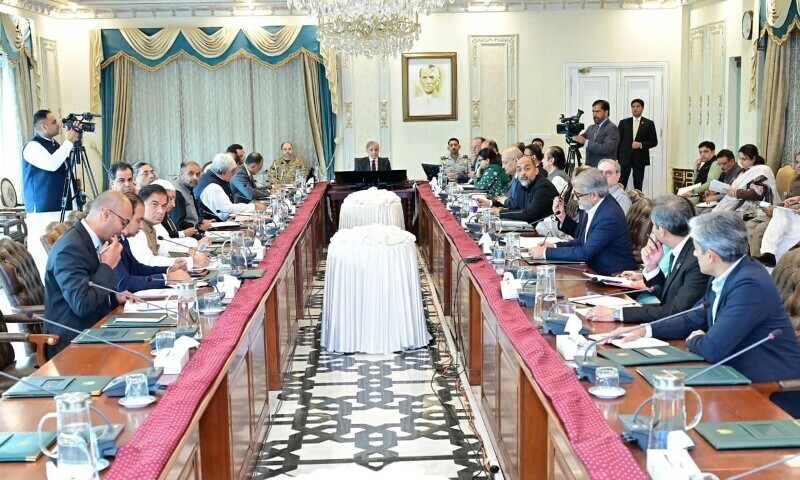

ISLAMABAD – In a significant step towards enhancing global cooperation on migration, Pakistan this week hosted a thematic meeting of the Budapest Process, marking the first time in over a decade that this important international dialogue platform has convened in the country.
The event was organized by the Ministry of Overseas Pakistanis and Human Resource Development and brought together representatives from countries of origin, transit, and destination to discuss safe and legal pathways for migration — a topic that has become increasingly critical in today’s fast-changing global landscape.
Federal Minister Chaudhary Salik Hussain, speaking as chief guest, welcomed delegates by emphasizing Pakistan’s strong and long-standing engagement with the Budapest Process. “It’s a pleasure to bring this dialogue back to Pakistan,” he said, noting the country’s over 20-year partnership with the forum. “As global mobility grows and demand for skilled labour rises, it’s more important than ever to open up regular, safe, and well-regulated migration avenues.”
He highlighted the government’s commitment to creating frameworks that ensure not just employment opportunities abroad, but also dignity and protection for Pakistani workers. “Our overseas Pakistanis – more than 11 million of them – are the backbone of our economy,” the minister said. “They contribute not just remittances, but ideas, skills, and resilience.”
Chaudhary Salik Hussain pointed out that Pakistan has already taken meaningful steps to formalize and structure labour mobility through transparent and rights-based policies. He stressed that well-managed migration offers mutual benefits: “When done right, migration uplifts families, supports host economies, and builds bridges between nations.”
He also acknowledged the role of the Budapest Process Secretariat and the International Centre for Migration Policy Development (ICMPD) in nurturing productive dialogue on migration governance. “Your continued commitment to consensus-building is commendable,” he said.
The gathering reflected Pakistan’s growing desire to take an active leadership role in international labour migration efforts. As the world looks for sustainable migration models, Pakistan’s example of promoting legal and safe migration pathways could offer a model worth following.


