




ISLAMABAD – July 29, 2025:
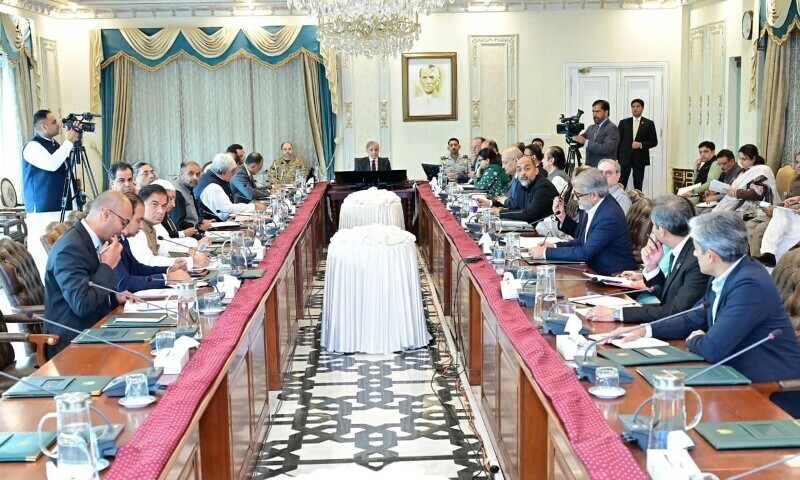
In a sign of growing diplomatic warmth, Pakistan and Bangladesh have vowed to deepen their bilateral ties following a high-level meeting between Deputy Prime Minister and Foreign Minister Ishaq Dar and Bangladesh’s Adviser on Foreign Affairs, Touhid Hussain. The two met on the sidelines of the International Conference on the Two-State Solution at the United Nations Headquarters in New York on Monday.
The interaction marks the fourth top-level contact between Islamabad and Dhaka since October 2024 — a clear signal of renewed engagement after years of political chill and mutual mistrust.
According to a statement released by Pakistan’s Foreign Office, both sides held a wide-ranging discussion on bilateral relations and reiterated their shared commitment to boosting cooperation in political affairs, trade, culture, and connectivity. Plans to facilitate high-level visits in the coming months were also discussed, aimed at building trust and paving the way for future collaboration.
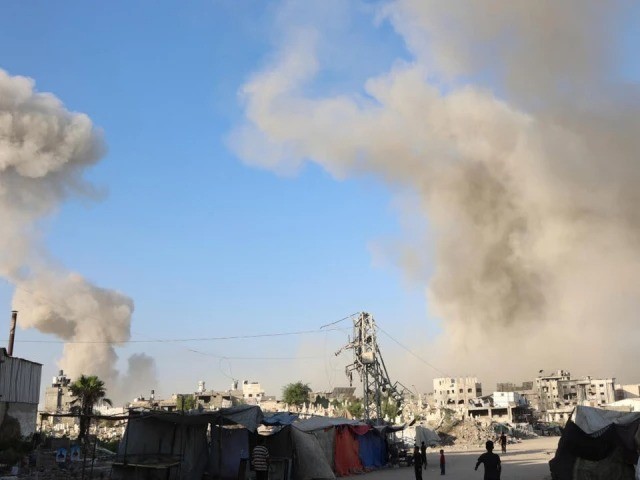
Dar and Hussain also used the occasion to express grave concern over the deteriorating humanitarian crisis in Gaza, denouncing the continued Israeli military campaign against the Palestinian population. Both leaders voiced strong solidarity with the Palestinian people and called for meaningful, outcome-oriented progress from the ongoing UN-led talks on the two-state solution.
This latest engagement is seen as part of a broader shift in regional diplomacy, with both countries seeking to recalibrate their foreign policy agendas in a rapidly changing South Asian landscape. The ouster of Sheikh Hasina’s government in August last year, long viewed as a hurdle in Pakistan-Bangladesh ties, has opened space for more pragmatic and forward-looking dialogue between the two Muslim-majority nations.
Diplomatic observers note that Bangladesh’s new interim leadership has taken significant steps to ease tensions, including lifting long-standing restrictions on Pakistani diplomats and imports. These moves, coupled with recent top-tier exchanges, suggest a concerted effort to reset the relationship.
Just last week, Pakistan’s Interior Minister Mohsin Naqvi visited Dhaka, where he met his Bangladeshi counterpart, Lt Gen (R) Jahangir Alam Chowdhury. The two sides signed a notable agreement granting visa-free entry to holders of diplomatic and official passports — a move hailed as both symbolic and practical, laying the groundwork for smoother future engagements in trade, security, and official exchanges.
Analysts point out that with regional blocs like SAARC fading into diplomatic irrelevance and China’s strategic clout growing, both Pakistan and Bangladesh appear to be exploring issue-based cooperation rooted in mutual benefit rather than historical grievances.
This diplomatic thaw is also in line with Pakistan’s broader strategy to re-engage with neighboring countries, promote Muslim world unity, and position itself as a constructive player in regional affairs.


