





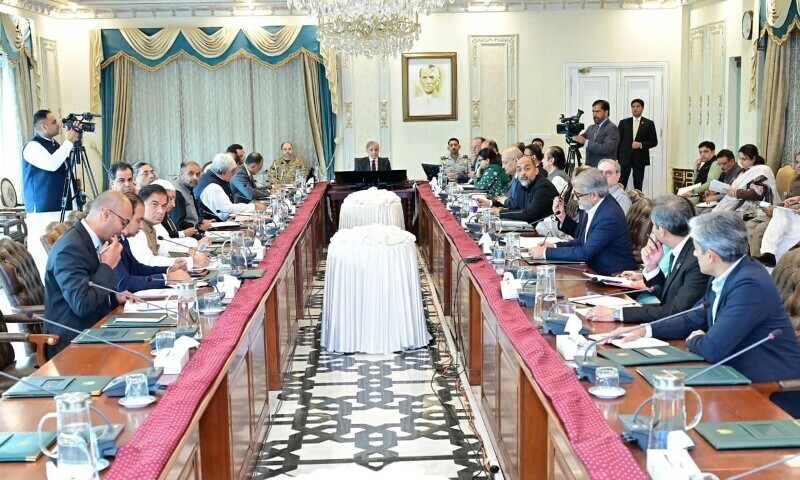

Pakistan has reached a significant milestone with the International Monetary Fund (IMF) after both sides concluded a staff-level agreement under two key programs the Extended Fund Facility (EFF) and the Resilience and Sustainability Facility (RSF). The development was officially confirmed on Tuesday by both the IMF and Pakistan’s Ministry of Finance, sparking optimism across the country’s financial markets.
According to the IMF’s statement, the agreement covers the second review under the EFF and the first review under the RSF, paving the way for the disbursement of around $3.3 billion in total. This includes $1 billion under the EFF and $200 million under the RSF, with the agreement still subject to approval by the IMF’s Executive Board.
“The IMF team has reached a staff-level agreement with the Pakistani authorities on the second review of the 37-month Extended Arrangement under the Extended Fund Facility (EFF) and the first review of the 28-month arrangement under the Resilience and Sustainability Facility (RSF). Upon approval, Pakistan will have access to about $1.0 billion (SDR 760 million) under the EFF and about $200 million (SDR 154 million) under the RSF,” the IMF’s statement read.
The Fund also commended Pakistan for its “strong implementation” of the EFF-supported program, noting the government’s commitment to maintaining fiscal discipline while ensuring relief for flood-affected communities. It further acknowledged Pakistan’s efforts to stabilize inflation, restore the energy sector’s financial health, and continue structural reforms.
The announcement had an immediate impact on the Pakistan Stock Exchange (PSX), where the KSE-100 index surged by nearly 2,000 points, reflecting renewed investor confidence. Prime Minister Shehbaz Sharif also hailed the development, describing it as a sign of Pakistan’s strengthening macroeconomic indicators and growing confidence in the country’s economic direction.
The IMF highlighted progress in Pakistan’s climate reform agenda, supported by the RSF, and reiterated the importance of sustained efforts to build resilience against climate-related challenges. The Fund’s mission, led by Iva Petrova, held discussions between September 24 and October 8, 2025, in Karachi, Islamabad, and Washington, D.C., to finalize the review.
Supported by the EFF, Pakistan’s economic recovery remains “on track,” the IMF noted. The FY25 current account recorded its first surplus in 14 years, the fiscal primary balance exceeded targets, and inflation remained relatively contained. External buffers also improved, while financial conditions strengthened as sovereign bond spreads narrowed significantly.
However, the IMF cautioned that the devastating floods which affected around seven million people, claimed over 1,000 lives, and caused extensive damage to homes, infrastructure, and farmland have impacted the economic outlook. The FY26 GDP projection has been revised down to around 3.25–3.5%, underscoring Pakistan’s vulnerability to climate-related risks and the need for long-term resilience measures.
“The authorities reaffirmed their commitment to both the EFF and RSF programs and to maintaining prudent macroeconomic policies while continuing to push forward with structural reforms,” the IMF concluded.


