



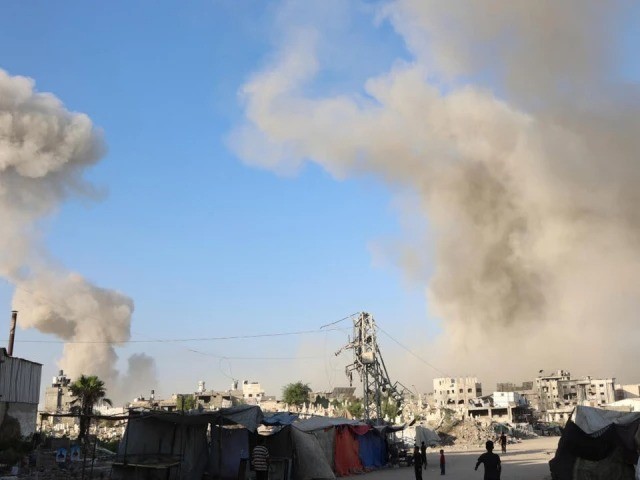


ISLAMABAD — Pakistan and Afghanistan’s Taliban government have agreed to a 48-hour ceasefire, following days of deadly cross-border clashes that claimed the lives of more than a dozen civilians and sent tensions between the two neighbors soaring.
The truce, confirmed by Pakistan’s Ministry of Foreign Affairs on Wednesday, comes after a series of violent exchanges, including airstrikes and ground fighting, along the contested frontier one of the most volatile borders in the region. The violence marked the worst escalation since the Taliban took control of Kabul in 2021, shattering months of uneasy calm between the two countries.
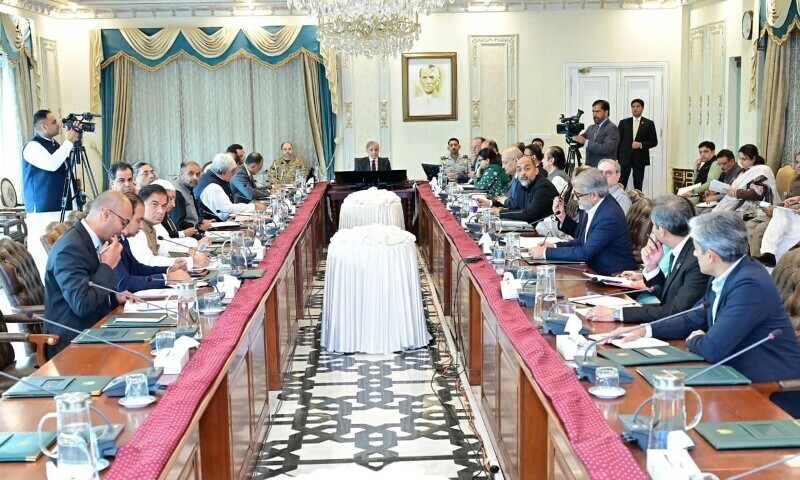
According to the Pakistani Foreign Office, the ceasefire began at 1300 GMT on Wednesday and will remain in effect for 48 hours. The ministry said both sides had agreed to “make sincere efforts, through constructive dialogue, to find a positive solution to this complex yet resolvable issue.” The statement added that the truce was reached at the request of the Afghan Taliban government.
On the other hand, Zabihullah Mujahid, spokesperson for the Taliban administration, said the ceasefire was “a result of Pakistan’s request and insistence.” He stated that Kabul had instructed all its forces to observe the ceasefire as long as “the other side refrains from any act of aggression.”
The recent flare-up marks another chapter in the deteriorating relationship between the two Islamic neighbors. Islamabad has repeatedly accused the Taliban administration of harboring militants from the banned Tehreek-e-Taliban Pakistan (TTP), who it says use Afghan soil to launch attacks inside Pakistan.
The Taliban, however, has rejected the allegations, accusing Pakistan’s military of spreading disinformation, stoking border tensions, and even providing shelter to ISIS-linked elements in a bid to destabilize Afghanistan.
Pakistan’s military denies those claims, insisting that the rise in militant attacks within its borders including those carried out by ISIS-K, the regional offshoot of the Islamic State group underscores the shared threat both nations face from extremist organizations operating in the borderlands.
Diplomatic observers say the temporary truce offers a brief window to de-escalate hostilities, though the underlying mistrust and competing narratives on both sides make lasting peace a daunting challenge.


