





ISLAMABAD: The federal government is weighing proposals to ease the burden on farmers devastated by recent floods, with options that include writing off or rescheduling loans from the state-owned Zarai Taraqiati Bank Limited (ZTBL).
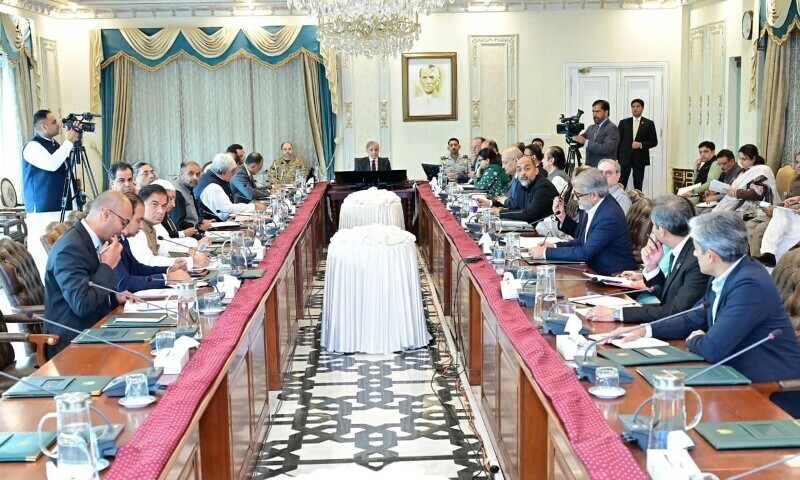
During a recent cabinet meeting chaired by Prime Minister Shehbaz Sharif, several members suggested that debts owed by farmers to ZTBL should either be cancelled or rescheduled, while interest payments be waived altogether. The recommendations, they said, were essential to provide relief to growers who have suffered heavy financial losses.
Officials noted that farmers had already been hit hard during the 2024–25 wheat season due to falling prices, leaving many reluctant to cultivate wheat in the coming year. They stressed that unless provincial governments restore the support price mechanism, Pakistan risks becoming a net wheat importer.
At the same time, they cautioned against announcing support prices immediately, warning such a step would only encourage hoarding. Instead, they urged authorities to engage directly with farmers to shape any new agricultural policies.
Cabinet members also underlined that agriculture and climate change fall under provincial jurisdiction, and that future initiatives must be developed in collaboration with provinces, which should bear the bulk of funding responsibilities. They added that the federal government lacks the fiscal space to shoulder these commitments alone.
The meeting emphasized the need for a two-pronged strategy short-term measures to provide immediate relief for struggling farmers, and long-term structural reforms to protect the agriculture sector against the growing threats posed by climate change.
It was further proposed that the Pakistan Climate Change Council established under the 2017 Climate Change Act and comprising provincial ministers should be convened urgently to draft coordinated strategies on agriculture and climate issues.
Cabinet members also flagged unchecked population growth as a major challenge, warning that it was not only straining limited resources but also intensifying the impacts of climate change. To address these concerns, they suggested forming a cabinet committee led by the planning minister and including all four provincial chief secretaries, tasked with working out a comprehensive plan for tackling agricultural and climate-related emergencies.


