



ISLAMABAD: The federal government has approved a subsidy package worth Rs11 billion for the Pakistan Television Corporation (PTV) to help the state broadcaster cope with financial shortfalls created after the withdrawal of the monthly Rs35 TV licence fee previously charged through electricity bills.
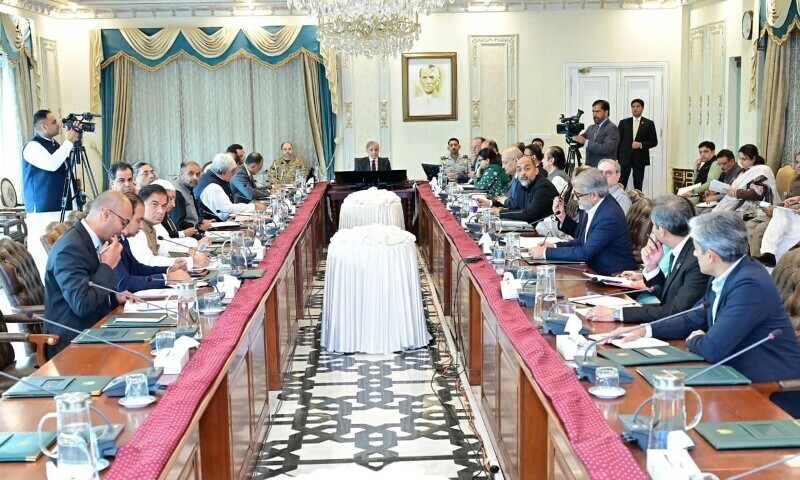
The decision was taken during a meeting of the Economic Coordination Committee (ECC) chaired by Finance Minister Muhammad Aurangzeb on Tuesday. According to the Finance Ministry, the ECC cleared an immediate release of Rs3.8 billion, while the remaining amount will be disbursed in quarterly installments. The funds are earmarked for staff salaries, pensions, and operational expenses, ensuring PTV continues its broadcasting services without disruption.
Officials emphasized that while the grant will provide temporary relief, PTV must gradually reduce its dependence on government bailouts and develop a sustainable financial model. The broadcaster had been struggling with unpaid liabilities, including pending salaries for three months, following the prime minister’s decision last month to discontinue the controversial TV fee.
For the remainder of the fiscal year 2025-26, PTV will receive Rs2.4 billion in each quarter, ensuring stability in its operations.
Captive Power Levy and Electricity Tariff Reduction
The ECC also endorsed guidelines aimed at lowering electricity tariffs by passing on the benefit of levies collected from captive power plants (CPPs) running on natural gas. Under the new framework, the National Electric Power Regulatory Authority (Nepra) will adjust consumer tariffs downward through its monthly fuel price mechanism.
The measure follows the implementation of the Captive Power Plants Levy Act, 2025, which imposes a levy on gas-based CPPs to encourage industries to shift back to the national electricity grid. The levy, starting at 5%, has already risen to 10% from August 1, 2025, and is set to increase to 15% in February 2026, and 20% in August 2026.
According to the finance ministry, the benefit collected from the levy in any given month will be passed on to grid consumers with a two-month lag, based on Nepra’s monthly tariff determinations.
Strategic Energy and Relief Decisions
In other developments, the ECC approved tariff terms for the Machike-Thalian-Taru Jabba White Oil Pipeline project, being developed in collaboration with Azerbaijan. Officials noted that the project would not only enhance energy security but also deepen Pakistan’s trade and investment relations with Baku.
Separately, the ECC sanctioned the release of Rs3 billion for flood relief in Gilgit-Baltistan. The funds will be used for tents, medical supplies, food, reconstruction of damaged infrastructure, and early recovery efforts, in line with the prime minister’s recent directives during his visit to the flood-hit region.


