





Pakistan’s recurring climate disasters and stalled infrastructure projects have once again highlighted the urgent need for innovative financing solutions. From devastating floods to long-delayed rail upgrades, the story is the same: vision without funds leads to paralysis.
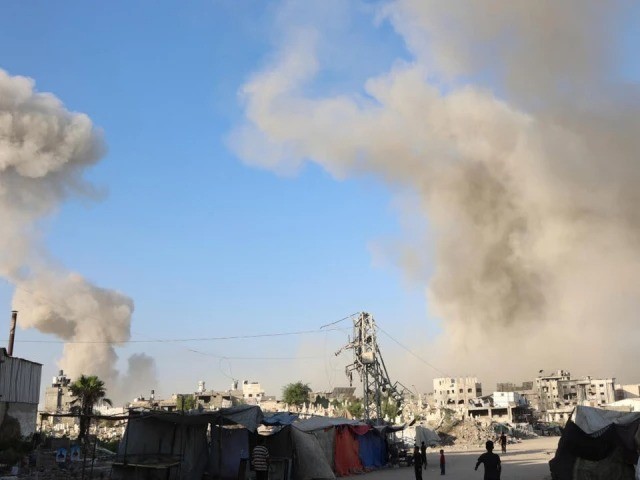
The 2022 floods alone claimed more than 1,700 lives, displaced over two million people, and submerged a tenth of the country. Losses reached nearly $40 billion as farmland, homes, and infrastructure were swept away. Three years later, Punjab’s fertile plains are under water again, with thousands of villages and farms devastated, crippling wheat and cotton output. Agriculture the lifeline of Pakistan’s exports remains under threat.
Beyond Complaints, Toward Resilience
Pakistan’s grievance is undeniable: despite contributing less than half a percent of global carbon emissions, it bears a disproportionate share of climate costs. But internal weaknesses poor urban planning, illegal encroachments, absence of water reservoirs, and weak early-warning systems have worsened the damage. The country cannot afford to remain in a cycle of reaction; resilience and prevention must become central to policy.
At the same time, another long-standing issue continues to hold back progress: the delay in financing Pakistan’s mainline railway from Karachi to Peshawar. Back in 2013, leaders promised a bullet train. It was ambitious, but unrealistic. Even a 160 km/h modern rail line would be transformational slashing travel time, cutting freight costs, and better integrating the economy. Yet the problem hasn’t been the vision, but the financing.
The Missing Link: Dollars
Flood rehabilitation and railway modernization have one thing in common: both require billions of dollars in financing. Each project could cost between $4 billion and $10 billion over the next five to seven years. That scale of funding cannot come from IMF bailouts alone.
An IMF program is less about direct cash and more about providing an international seal of approval, unlocking loans from allies, markets, and multilaterals. But Pakistan has boxed itself into dependency, constantly waiting for others to bankroll what is essential for its own survival.
A Homegrown Solution
One solution lies in Pakistanis themselves particularly those abroad. Shariah-compliant, dollar-denominated savings instruments could provide a pathway for crowdfunding critical infrastructure. Rail lines, stations, bridges, and land can all serve as asset-backed guarantees in Islamic financing structures. These could attract not just overseas Pakistanis, but also local savers, pension funds, and insurers.
The Roshan Digital Account (RDA) has already shown what’s possible. As of June 2025, $1.4 billion remains invested in Naya Pakistan Certificates. Why not build on this success? Launch a new long-term vehicle perhaps Roshan Pakistan Assets (RPA) or a Pakistan Resilience Fund (PRF) with a 10-year maturity and an 8.25% dollar return.
Incentives Beyond Returns
Financial rewards can be coupled with non-financial incentives: airline miles, retail discounts, waived fees for passports or NADRA services, and recognition of these instruments as collateral for bank loans. The idea is simple make every Pakistani saver feel that their dollar doesn’t just earn, it builds Pakistan.
Taking Ownership of the Future
Concerns about repayment risk are overstated. Of the $11 billion raised through RDAs so far, nearly two-thirds has been invested locally, limiting outflow pressures. These funds circulate inside Pakistan, benefiting Pakistanis. The real danger lies in complacency rolling over IMF tranches and bilateral loans forever.
If Pakistan is to stand on its own feet, it must harness the strength of its diaspora and its people. Instead of waiting for the world to fund our future, we should fund it ourselves transforming the narrative from borrowers in need to builders of resilience and growth.


