


KARACHI — Industry leaders and environmental experts have called on the government to accelerate Pakistan’s transition toward green mobility through consistent policy reforms, investment in charging infrastructure, and financial incentives to make electric and hybrid vehicles more accessible.
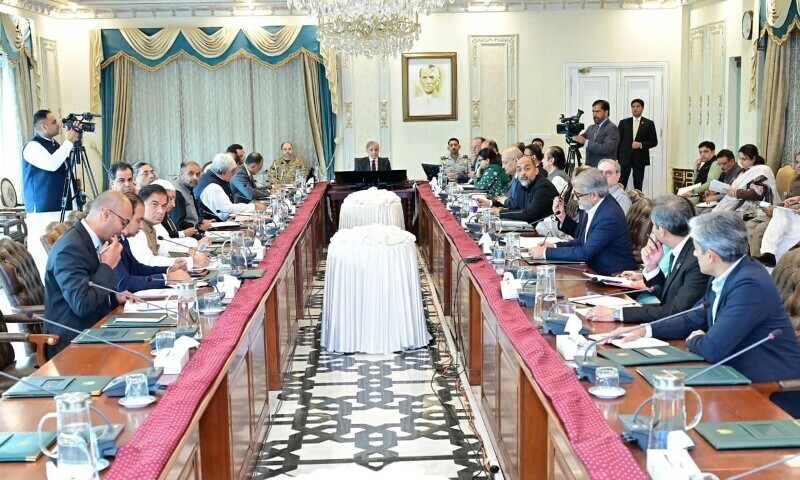
Speaking at a stakeholder dialogue titled “Shifting Gears: Launch of Automotive Study and Stakeholder Dialogue”, organised by the Indus Consortium in collaboration with the Federation of Pakistan Chambers of Commerce and Industry (FPCCI) on Tuesday, participants stressed the need for a long-term roadmap to decarbonise the country’s transport sector.
The event also marked the launch of a detailed research report titled “Green Transition Barriers and Opportunities for the Automotive Industry in Pakistan.” The study identified major policy and infrastructure gaps hindering the adoption of electric vehicles (EVs) and suggested practical measures to help the country reduce its carbon footprint.
Hybrid technology as a bridge
Ali Asghar Jamali, CEO of Indus Motor Company (IMC), said his company had already taken steps to curb emissions by installing Pakistan’s largest rooftop solar setup and introducing hybrid electric vehicles (HEVs). He argued that while EVs are the future, hybrid and plug-in hybrid (PHEV) models also play a key role in reducing emissions in the short term.
“With 62 percent of our electricity still coming from fossil fuels, an immediate full shift to electric vehicles won’t bring the expected emission cuts,” Jamali explained.
Policy and financing challenges
Indus Consortium CEO Hussain Jarwar said Pakistan’s New Energy Vehicle (NEV) Policy could mirror the success of the national solar programme if it addressed financing and infrastructure challenges.
Former PAAPAM chairman Aamir Allawala highlighted that local manufacturing of EV components is essential to make the transition sustainable. He cautioned, however, that battery disposal could become a major environmental issue in the near future if not properly regulated.
Presenting key findings from the study, Muhammad Armughan of FPCCI said the research analysed Scope 3 emissions across IMC’s value chain and recommended fiscal incentives, technology transfer, and green financing mechanisms to drive change.
Need for green financing and public charging networks
Representatives from the banking sector including Rashid Azeem (UBL), Wajih Zaman (Soneri Bank), and Sadia Bukhari (Sindh Bank) noted that the current vehicle financing cap of Rs3 million restricts EV growth. They suggested that targeted government subsidies and interest-free loans for two- and three-wheeler EVs could help accelerate adoption among middle-income consumers.
Other panellists included Fatima Majeed (Fishermen’s Cooperative Society), Mashood Ali Khan (former PAAPAM chairman), Prof. Dr. Raza Ali Khan (NED University), Yasir Hussain (Climate Action Centre), and Bilawal Suhag (FPCCI).
Barriers and the way forward
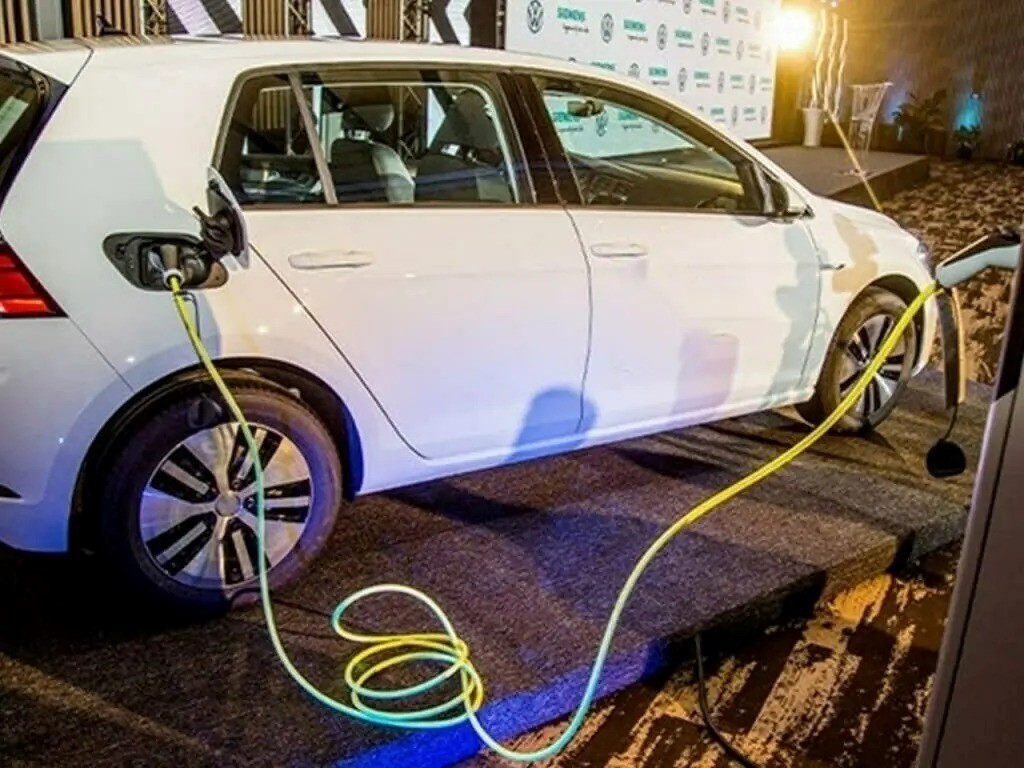
Speakers agreed that Pakistan’s auto sector still faces steep hurdles, including high upfront costs, limited charging stations, and heavy dependence on fossil-fuel-generated electricity. The report noted that Pakistan currently has only 35 public EV charging stations nationwide far fewer than regional neighbours while 60 percent of its electricity is still fossil-fuel-based.
Despite these challenges, experts said the growing interest of global manufacturers and IMC’s ongoing hybrid initiatives indicate potential for progress. The study recommended establishing a national EV task force, expanding the charging network with lower tariffs, mandating EV and hybrid quotas in auto production, and introducing a battery recycling policy to prevent future waste problems.
It also urged the government to encourage banks to offer low-interest green car loans, helping make environmentally friendly vehicles a viable option for ordinary consumers.