




KARACHI — In a move aimed at making Pakistan’s examination process more transparent and efficient, the education boards of Karachi and the Sindh Board of Technical Education are gearing up to adopt modern technologies such as Optical Mark Recognition (OMR), automation, and e-marking systems.
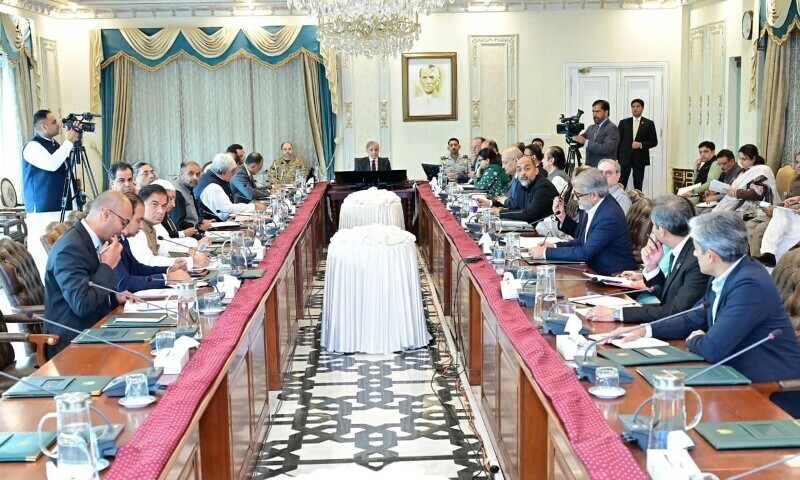
The decision was finalised during a meeting held under the Inter Boards Coordination Commission (IBCC) platform on Wednesday. The session brought together key education officials, including Chairman of the Board of Intermediate Education Karachi (BIEK), Faqir Muhammad Lakho, Sindh Technical Board Chairman Musharraf Ali Rajput, and Federal Board of Intermediate and Secondary Education (FBISE) Chairman, Dr Ikram Ali Malik.
During the meeting, all three boards agreed to sign a Memorandum of Understanding (MoU) in the coming days. Under the agreement, the Federal Board will extend technical support, guidance, and training to both Karachi and Sindh Technical Boards to ensure the smooth implementation of these new systems.
As part of the initial phase, two officers from each provincial board will undergo hands-on training at the Federal Board in Islamabad. Once completed, the same automation, OMR, and e-marking systems already in successful operation at the Federal Board will be rolled out across Karachi and Sindh’s technical institutions.
Chairman Faqir Muhammad Lakho highlighted that the Karachi Board had already piloted e-marking during the Intermediate Part-I Mathematics paper earlier this year, and the results were “highly encouraging,” showing improved accuracy and faster paper evaluations.
Officials at the meeting emphasised that this initiative will not only reduce marking errors but also bring greater transparency and fairness to the examination system. “Technology-driven evaluation is the future of education in Pakistan,” remarked one of the participants.
The session was also attended by FBISE Director IT Dr Bashir Khan and Controller of Examinations Aqeel Imran, who expressed optimism that this collaboration would serve as a model for other educational boards across the country.


