



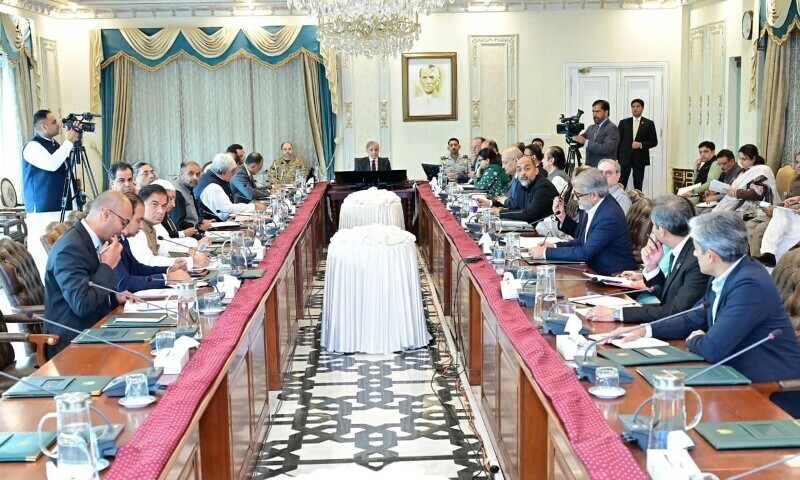

ISLAMABAD – July 12, 2025: In a sharply worded address at the 32nd ASEAN Regional Forum (ARF) in Kuala Lumpur, Pakistan’s Deputy Prime Minister and Foreign Minister Ishaq Dar launched a blistering critique of India’s recent policies, urging the international community to play a more active role in resolving the long-standing Kashmir dispute.
Dar emphasized that Pakistan remains committed to maintaining the ceasefire with India, but stressed that meaningful peace in South Asia cannot be achieved without addressing the root cause of regional instability — the unresolved status of Jammu and Kashmir.
He accused India of aggravating tensions through cross-border provocations and criticized New Delhi’s recent decision to unilaterally suspend the Indus Waters Treaty (IWT), calling it a dangerous move that violates international law and threatens the livelihoods of millions in the region. “The treaty offers no provision for unilateral withdrawal,” Dar reminded the forum, warning that such actions set an alarming precedent for other transboundary agreements.
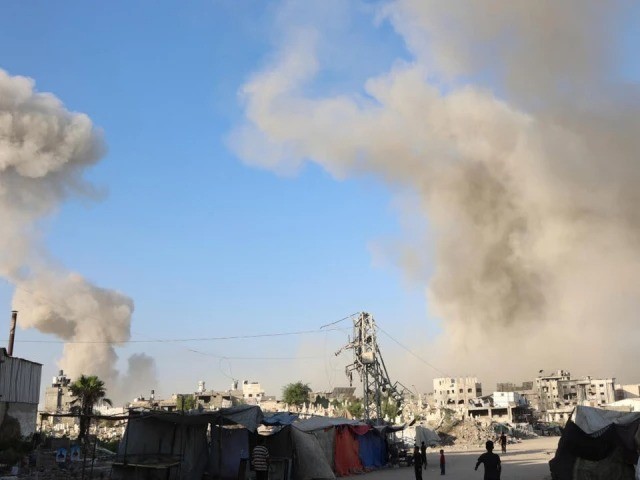
In a detailed recounting of recent hostilities, Dar referred to the April 22 attack in Pahalgam, where India blamed Pakistan without evidence. He said Islamabad had proposed an impartial investigation on April 26, but instead, India chose to retaliate with an unprovoked strike on May 7, causing civilian deaths and infrastructure damage.
Defending Pakistan’s measured military response on May 7 and 10, Dar said it was a legitimate act of self-defence under Article 51 of the UN Charter, aimed solely at neutralizing military targets. He rejected India’s posture of “new normal,” describing it as a dangerous doctrine based on unilateralism and impunity.
“Over one-fifth of the world’s population resides in South Asia. Another cycle of violence would be catastrophic for the entire region,” Dar cautioned. He reiterated Islamabad’s appreciation for international actors who helped maintain the ceasefire and welcomed further mediation efforts on Kashmir.
Beyond regional tensions, Dar used the ARF platform to address broader global concerns. He condemned the rising wave of Islamophobia, warning against the misuse of counterterrorism narratives to stigmatize Muslim communities. “Such rhetoric not only undermines fundamental rights but also fuels radicalization,” he said.
Highlighting Pakistan’s heavy sacrifices in the fight against terrorism — over 80,000 lives lost and economic damage exceeding $150 billion — Dar outlined Pakistan’s multifaceted approach to counterterrorism, which includes education reform, de-radicalization programs, and improved intelligence coordination. Still, he emphasized that root causes such as poverty, injustice, and denial of self-determination must be addressed.
On the Afghanistan front, Dar recapped his recent diplomatic engagements in Kabul and the trilateral talks with China and Afghanistan. He urged the Afghan interim government to prevent the use of its territory for attacks against Pakistan, calling cross-border terrorism an ongoing concern.
Turning to the Middle East, the foreign minister welcomed the recent ceasefire between Iran and Israel, reaffirming Pakistan’s support for Iran’s sovereignty. He strongly condemned Israel’s continued aggression in Palestine and called for immediate global action to end the occupation. “A sovereign Palestinian state with Al-Quds Al-Sharif as its capital is the only path to lasting peace,” he said.
On maritime and regional diplomacy, Dar reaffirmed Pakistan’s commitment to peace in the South China Sea and voiced full support for China’s sovereignty under the One China Policy. He stressed that diplomacy, not confrontation, should guide conflict resolution in the Asia-Pacific.
Touching on climate change, Dar described it as an existential threat. He highlighted Pakistan’s growing vulnerability to natural disasters and called on developed nations to honor their commitments on climate finance and technology transfer. “Climate justice demands more than pledges — it requires global solidarity,” he said.
Meanwhile, at a separate press briefing in Islamabad, Foreign Office spokesperson Shafqat Ali Khan sharply rebuked Indian National Security Adviser Ajit Doval’s recent claims that Indian forces had successfully targeted 13 Pakistani military sites.
“These remarks are riddled with falsehoods and distortions,” the spokesperson said. “Boasting of aggression against a sovereign nation is not only irresponsible but a blatant violation of the UN Charter.”
He added that it is well-documented that India’s so-called strikes resulted in the deaths of innocent civilians, including women and children. “Glorifying conflict benefits no one. The path to lasting peace lies in dialogue, mutual respect, and adherence to international law,” Khan concluded.


