



NEW YORK: Pakistan’s Deputy Prime Minister and Foreign Minister, Senator Ishaq Dar, has warned that Afghanistan cannot remain politically isolated and internationally cut off forever, while calling on Kabul’s rulers to take decisive action against militant groups operating from their soil.
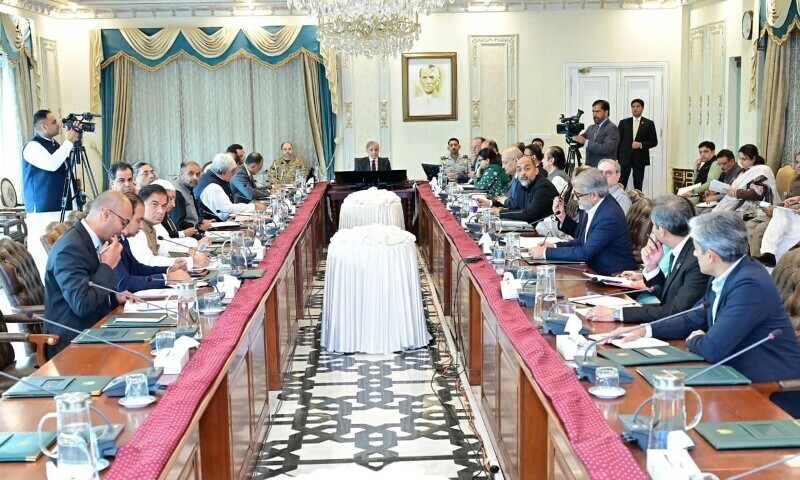
Speaking at the inaugural meeting of the Organisation of Islamic Cooperation (OIC) Contact Group on Afghanistan, Dar expressed Islamabad’s deep concerns over the presence of more than two dozen terrorist outfits inside Afghanistan. He specifically identified the banned Tehreek-e-Taliban Pakistan (TTP), Balochistan Liberation Army (BLA), Majeed Brigade, and the East Turkistan Islamic Movement (ETIM), accusing them of working in tandem with al Qaeda and destabilising regional security.
“Our law enforcement officials and civilians continue to pay the price of terrorism emanating from Afghanistan,” Dar said, recalling the martyrdom of 12 Pakistani soldiers earlier this month in clashes with TTP militants infiltrating across the border. He also warned that extremist groups were increasingly exploiting social media and digital platforms to spread propaganda and incite violence something he stressed “cannot be tolerated under any circumstances.”
Dar underscored that Afghanistan’s ongoing political deadlock and international isolation were unsustainable, urging OIC member states to spearhead initiatives aimed at pulling the country out of crisis. He proposed a multi-pronged strategy combining humanitarian relief, economic stabilisation, and political engagement. This, he argued, should include unconditioned international funding for Afghanistan’s urgent humanitarian needs, measures to revive its fragile banking system, and steps to support trade, commercial activity, and regional connectivity. Such efforts, he noted, would create jobs and offer ordinary Afghans a path out of poverty.
Calling for sustained dialogue with the Taliban, both bilaterally and through multilateral platforms, Dar welcomed UN-led programmes offering Afghan farmers alternatives to poppy cultivation. He urged OIC member states to back these initiatives to ensure livelihoods beyond narcotics. At the same time, he pressed the Taliban to remove restrictions on women and girls, describing them as unjustified, un-Islamic, and out of step with the norms of Muslim societies. With relative calm returning after decades of war, he said it was time to begin the safe and dignified repatriation of Afghan refugees.
For lasting progress, Dar suggested forming a working group of experts from OIC member states to draft a practical roadmap, with reciprocal steps addressing terrorism, economic recovery, human rights, and governance challenges. He reminded participants that Pakistan’s stance was driven by a genuine desire to see Afghanistan achieve stability and prosperity—but that this would only be possible with “mutual respect, sincerity, and the political will of the Taliban authorities to help us help themselves.”
Concluding his remarks, Dar pointed out that despite a fragile calm, Afghanistan remained caught in the grip of sanctions, militancy, narcotics trafficking, poverty, unemployment, human rights concerns, and an unrecognised government all factors keeping the country precariously on the margins of the global system.


