



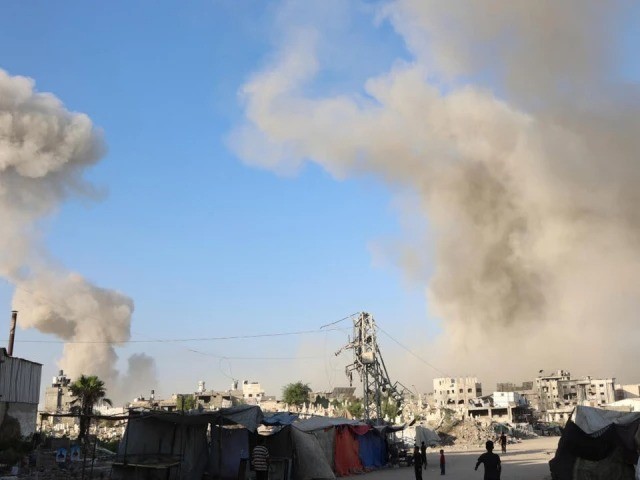

August 8, 2025 – In a significant diplomatic development, the leaders of Britain and Australia have publicly voiced concern over Israel’s reported plans to seize control of Gaza City, urging restraint amid deepening humanitarian concerns.
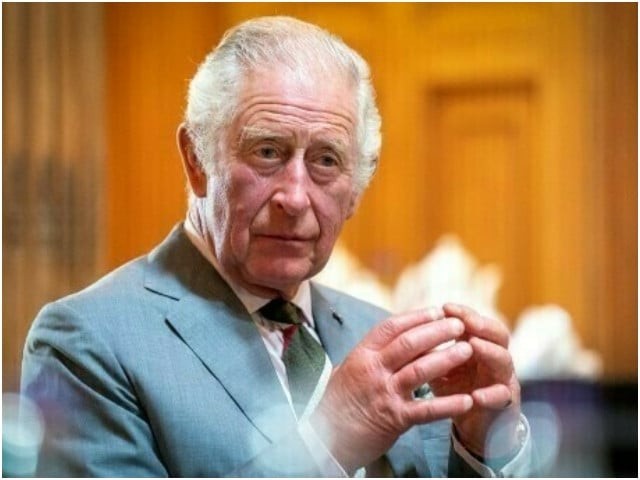
Speaking on the matter, UK Prime Minister Keir Starmer issued a strongly worded statement criticizing Israel’s move as misguided and harmful.
“The Israeli government’s decision to take control of Gaza City is a mistake. This escalation of violence will only worsen the humanitarian crisis,” Starmer said.
He called on Israeli leadership to urgently reconsider its course of action, warning that the ongoing war is pushing Gaza further into catastrophe.
“Every day, the situation for civilians in Gaza grows more dire. The fighting must stop and it must stop now,” he added.
Across the globe, Australian Foreign Minister Penny Wong echoed similar concerns, cautioning Israel against any attempt to militarily occupy Gaza.
“Such an occupation would only deepen the suffering and fuel instability. We urge all parties to avoid steps that will lead to further violence,” Wong stated.
She also reaffirmed Australia’s commitment to a two-state solution, emphasizing that the forced displacement of Palestinians constitutes a breach of international law.
“Respect for human rights and international law must guide any future path to peace,” she said.
Meanwhile, Turkey joined the growing chorus of international voices condemning Israel’s actions. In a strongly worded statement, the Turkish Foreign Ministry denounced Israel’s intentions to take control of Gaza City.
“We condemn this plan in the strongest possible terms,” the ministry said, calling on the United Nations Security Council and the wider international community to act swiftly to prevent further escalation.
Ankara also urged Israel to immediately halt its military operations, agree to a ceasefire, and return to the negotiating table with a genuine commitment to achieving a two-state solution.
As global outrage builds, observers say the mounting diplomatic pressure reflects growing frustration with the humanitarian toll of the ongoing conflict and the apparent absence of a political roadmap to peace.


