



Dar’s Kabul Visit Reinforces Push for Regional Connectivity and Economic Integration
ISLAMABAD | July 18, 2025
In a major step towards redefining regional connectivity and economic cooperation, Pakistan, Afghanistan, and Uzbekistan have signed a trilateral framework agreement to jointly conduct a feasibility study for the long-anticipated Uzbekistan-Afghanistan-Pakistan (UAP) Railway Project.
The signing ceremony took place in Kabul on Thursday, where senior officials from all three countries gathered to formalize the agreement. Representing Pakistan was Deputy Prime Minister and Foreign Minister Ishaq Dar, who was joined by Afghanistan’s Acting Foreign Minister Amir Khan Muttaqi and Uzbekistan’s Minister of Transport Baxtiyor Saidov.
The agreement was signed between the Ministry of Railways of Pakistan, Afghanistan’s Ministry of Public Works, and Uzbekistan’s Ministry of Transport — marking a concrete step toward turning years of vision and dialogue into action.
A Strategic Corridor with Global Impact
The proposed railway line, once completed, will span 640 kilometers (398 miles) and connect Termez (Uzbekistan) to Hairatan and Kabul, eventually reaching Logar in eastern Afghanistan and entering Pakistan through Kharlachi in Kurram district.
The rail link is expected to significantly cut down transit times and costs for goods moving between Central Asia and Pakistani ports, particularly Karachi and Gwadar. For landlocked Central Asian nations, this project could be a long-awaited access route to the Arabian Sea.
“The project isn’t just about railways. It’s about opening up an entire region — connecting economies, creating jobs, and laying the groundwork for long-term peace and prosperity,” a senior Pakistani official noted.
According to a statement from Pakistan’s Foreign Office, the UAP Railway Project aims to “facilitate regional trade and transit” and will play a central role in promoting stability, development, and shared growth across South and Central Asia.
Diplomacy on the Move: Dar’s Kabul Outreach
Foreign Minister Ishaq Dar’s visit to Kabul — his second in three months — underscored Islamabad’s seriousness about the project and its broader vision for regional integration.
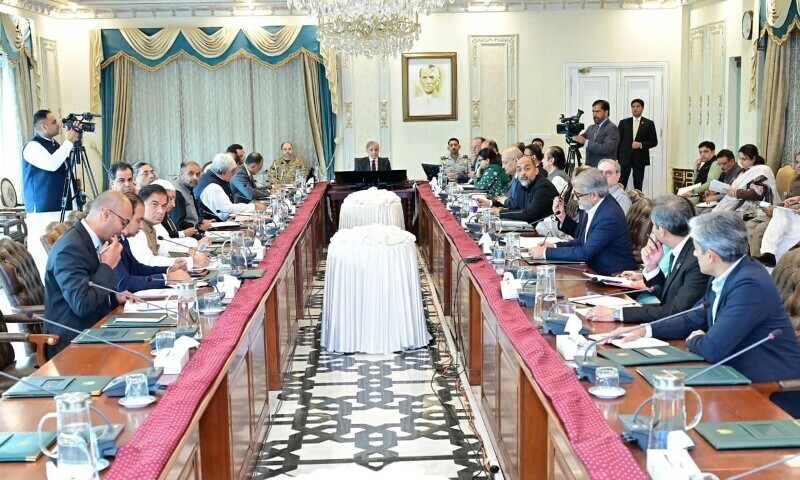
Before the signing ceremony, Dar participated in a trilateral meeting with his Afghan and Uzbek counterparts. All three leaders reaffirmed their shared commitment to regional peace, infrastructure connectivity, and economic uplift.
On the sidelines, Dar held separate meetings with the Taliban’s top leadership, including Interim Prime Minister Mullah Mohammad Hassan Akhund, Acting Foreign Minister Amir Khan Muttaqi, and Interior Minister Sirajuddin Haqqani.
During these discussions, sources say the focus remained on mutual cooperation in security, border management, and trade, as well as on accelerating progress in key infrastructure and transit agreements.
Notably, Dar’s meeting with the Afghan premier was a follow-up to their earlier engagement in April this year. Both sides agreed to maintain high-level dialogue and emphasized the importance of continued engagement to strengthen Pakistan-Afghanistan relations.
Security and Stability: A Precursor to Progress
One of the key themes during Dar’s interactions with Afghan leaders was the need to address security concerns that have long plagued cross-border projects.
In his meeting with Sirajuddin Haqqani, Dar is reported to have conveyed Islamabad’s expectation for “concrete measures to eliminate threats” that could endanger regional stability and undermine shared economic goals.
“There can be no economic corridor without security,” Dar reportedly said, echoing long-standing concerns about insurgent movements in the border regions.
Looking Ahead: A New Chapter for the Region
With the signing of this framework agreement, the ball is now rolling toward technical studies, resource mobilization, and eventual construction. Analysts believe the UAP Railway could become a vital part of a broader vision — linking China’s Belt and Road Initiative (BRI) with regional frameworks like the Central Asia Regional Economic Cooperation (CAREC) program.
“This project represents hope,” said a senior regional analyst. “For Afghanistan, it’s a chance to be a transit hub instead of a battlefield. For Uzbekistan, it’s economic expansion. For Pakistan, it’s strategic depth and stronger regional ties.”
As trilateral diplomacy continues to gain momentum, the UAP Railway is shaping up to be more than steel and tracks — it’s becoming a symbol of interdependence in a region that has seen too much division.


