





Key Points:
- Japan pledges $550 billion investment in the U.S.; auto tariffs cut to 15%
- Market remains tense due to unclear tariff policies
- Japanese PM Shigeru Ishiba denies resignation rumors
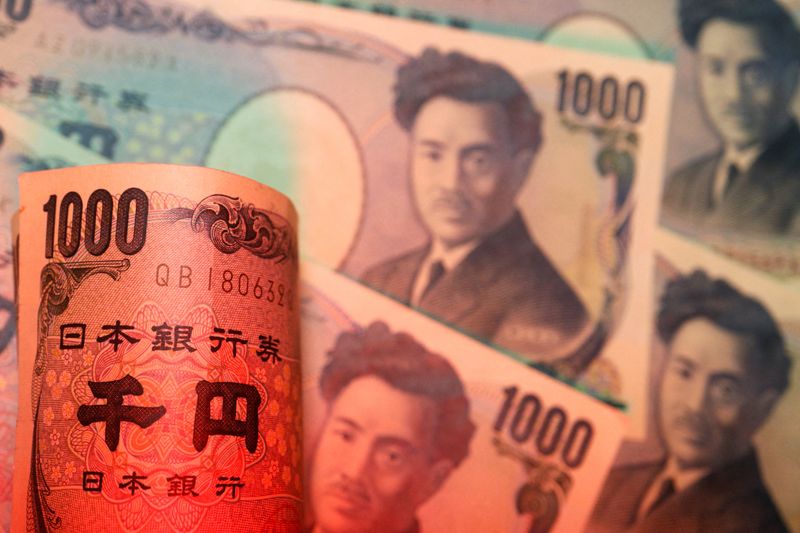
Tokyo/London, July 23 (Reuters) – The Japanese yen traded erratically on Wednesday as markets juggled news of a new U.S.-Japan trade agreement and speculation about Prime Minister Shigeru Ishiba’s political future.
Initially, the yen climbed to its strongest level since July 11, reaching 146.20 against the U.S. dollar, following U.S. President Donald Trump’s announcement of the trade deal. But it quickly reversed after reports suggested Ishiba might resign next month after a tough election loss.
Ishiba dismissed the resignation reports as “entirely baseless,” helping the yen stabilize around 146.83 per dollar.
The new agreement, which lowers tariffs on car imports and shields Japan from further tariffs, could influence both Japan’s economic outlook and the Bank of Japan’s monetary policy.
“A finalized trade deal gives the BOJ more room to raise interest rates this year,” said Jane Foley, head of FX strategy at Rabobank. “That supports the yen and makes a return to 150 against the dollar less likely.”
Still, lingering political uncertainty will likely keep the Bank of Japan cautious. “No one was expecting sudden moves from them anyway,” Foley added.
Other currencies saw little movement due to ongoing doubts about tariff policies and how they’ll affect markets.
The U.S. dollar, which had weakened since Trump introduced broad tariffs on April 2, remained under pressure, although that trend slowed in recent weeks. The euro slipped 0.1% to $1.1744 but stayed close to the four-year high it hit earlier this month. The British pound edged slightly higher to $1.1354.
European stock markets, in contrast, gained on hopes that the Japan deal could spark similar agreements, possibly with the EU. Trump confirmed that EU negotiators would arrive in Washington on Wednesday.
The European Central Bank is set to meet Thursday but is expected to keep interest rates unchanged.
The Australian dollar also gained—up 0.4% to $0.6581—thanks to improved global trade sentiment and rising metal prices, although investors remained cautious.


