


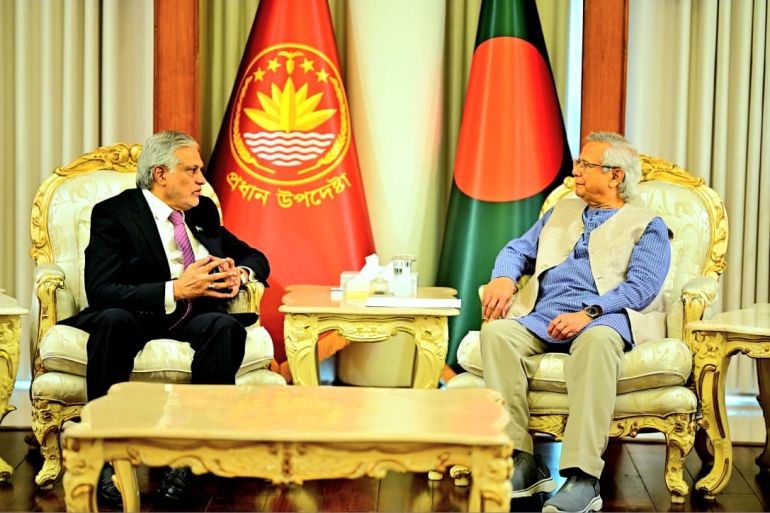
Islamabad/Dhaka – On a cloudy morning in late August, when Pakistan’s Foreign Minister and Deputy Prime Minister Ishaq Dar stepped off the plane in Dhaka, the moment carried weight far beyond a routine diplomatic visit. It was the first time in 13 years that a senior Pakistani official had set foot in Bangladesh a country that broke away from Pakistan more than five decades ago.
Calling his trip “historic,” Dar declared that Islamabad was entering “a new phase of reinvigorated partnership” with Dhaka. His words were laced with optimism, but they also reflected urgency. “We must work together to create an environment where youth from Karachi to Chittagong and Lahore to Dhaka can join hands to face challenges and realise their shared dreams,” he said.
Dar’s arrival marked a symbolic breakthrough, following months of backchannel diplomacy, military visits, and quiet negotiations. The thaw, analysts note, has accelerated since the dramatic ouster of Sheikh Hasina in August 2024. Long viewed as India’s closest ally in the region, Hasina’s downfall in the face of massive student-led protests created a window that Islamabad was quick to seize.
A Rare Opening
Pakistan’s former envoy to China, Masood Khalid, believes the shift was long overdue. “The new government in Bangladesh has responded positively to Pakistan’s outreach. Artificial barriers that kept both countries apart are beginning to fade,” he told reporters. But, he warned, the legacy of mistrust still lingers. “What is needed now is a framework for deeper engagement dialogue that clears the air and builds genuine trust.”
The warming ties are visible in the flurry of recent visits. In January, a senior Bangladeshi general visited Islamabad to meet Pakistan’s army chief. In February, Bangladesh’s naval chief followed suit. By spring, Pakistan’s foreign secretary was in Dhaka, and in July, Interior Minister Mohsin Naqvi also made the trip.
Dar’s own visit was delayed by a brief but tense clash between India and Pakistan in May. When he finally made it to Dhaka in August, the timing could not have been more telling: while he held meetings in Bangladesh, a top Bangladeshi general was in Pakistan for talks with its military leadership.
The India Factor
For decades, Pakistan and India have eyed Bangladesh through the lens of their own rivalry a dynamic rooted in the bloody war of 1971. The scars of that conflict remain raw, especially in Bangladesh, where demands for a formal apology from Islamabad still resonate.
Yet, analysts say the political landscape has shifted. With Hasina gone, Bangladesh’s interim government under Nobel laureate Muhammad Yunus is recalibrating its foreign policy. Dhaka’s relationship with New Delhi has cooled, giving Islamabad an opening.
“Pakistan is looking to capitalise on the current strain in Dhaka-Delhi ties,” said Delwar Hossain, professor of international relations at Dhaka University. “This isn’t unusual. Historically, regime change in Bangladesh has altered the balance of friendship and antagonism between India and Pakistan.”
Former Pakistani Foreign Secretary Aizaz Chaudhry echoed that view, pointing to shared grievances with India. “Both nations have felt India’s regional dominance. This creates common ground,” he said.
China’s Shadow
Adding another layer to the shifting dynamics is China. Beijing has deepened its presence in Bangladesh over the past decade and continues to exert influence even after Hasina’s exit. Recent visits by Bangladeshi officials to China, including the army chief, highlight Dhaka’s careful balancing act.
Beijing’s role is significant because both Pakistan and Bangladesh rely on Chinese defense hardware and investment. Talks of Dhaka acquiring Chinese J-10C fighter jets the same aircraft used by Pakistan in its May skirmish with India underline how defense ties could further align the two South Asian nations.
Economics and Elections
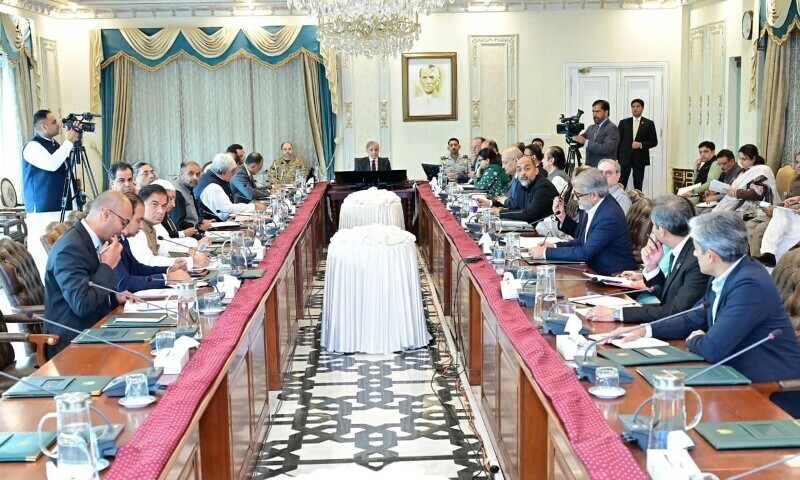
For Islamabad, the outreach is not only about geopolitics. With elections scheduled in Bangladesh for early 2026, Dar’s packed two-day trip included meetings across the political spectrum from the ruling interim administration to opposition parties such as the BNP and Jamaat-e-Islami, and even the newly-formed student-led National Citizen Party.
Economic ties are another pressing driver. Despite being South Asia’s second-largest economy after India, Bangladesh trades very little with Pakistan. In 2024, Islamabad exported goods worth $661 million to Dhaka, while importing just $57 million in return. Economists argue that both nations could benefit from closer cooperation Bangladesh sourcing textiles, rice, and cement from Pakistan, while Pakistan imports jute, chemicals, and other goods from Bangladesh.
“Together, Pakistan and Bangladesh represent a market of 430 million people larger than Western Europe,” said Hossain. “If they can set aside old wounds, the potential for trade and development is enormous.”
The Ghosts of 1971
Still, history casts a long shadow. The atrocities of 1971, the unsettled question of pre-war assets, and the fate of Urdu-speaking Biharis stranded in Bangladesh remain unresolved. Dhaka continues to push for acknowledgment and redress, while Islamabad is wary of reopening painful debates.
Yet, diplomats argue that public sentiment on both sides is shifting. “People in both countries want closure. The pain of 1971 is real, but so is the desire to move forward,” Chaudhry said.
Hossain, however, cautions against assuming that Hasina’s departure erases the emotional weight of history. “The liberation war remains central to Bangladesh’s national identity. Healing will take time,” he said.
Looking Ahead
Despite the hurdles, the momentum for reconciliation appears stronger than it has in decades. Both sides see opportunities in trade, defense cooperation, and cultural exchange. Both also share a recognition that regional challenges from economic instability to India’s assertiveness require new alliances.
As Ishaq Dar departed Dhaka, his words reflected both urgency and hope: Pakistan and Bangladesh, once bitterly divided, may now be ready to write a new chapter.


