



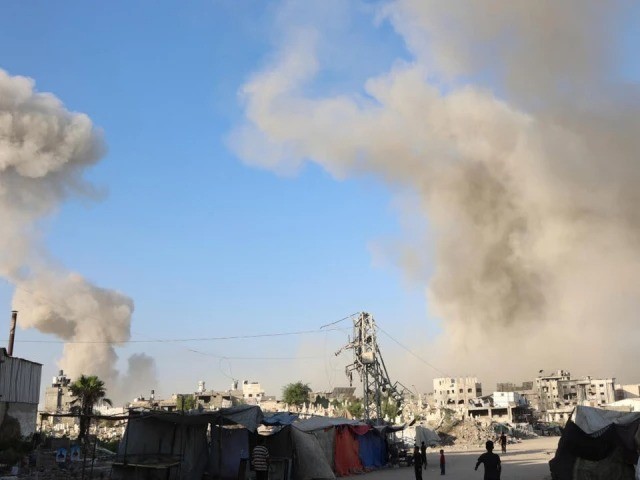

As violence continues to escalate between Israel and Iran, fears are mounting over the potential ripple effects on the global economy — especially if the conflict spreads further across the already volatile Middle East.
Now entering its fourth day, the exchange of deadly attacks has already sent shockwaves through international markets. While equity markets initially reacted with sharp drops following Israel’s surprise strike last Friday, they’ve since seen a fragile recovery. But analysts warn this stability may be short-lived if the situation continues to deteriorate.
The stakes were raised significantly after Israeli forces targeted several key sites in Iran, killing top military commanders and nuclear scientists, and reportedly damaging parts of Iran’s nuclear infrastructure. Just a day later, Israel went a step further — striking Iran’s energy sector, a move that could have far-reaching implications.
Iranian state media reported a large blaze at the South Pars gas field, one of the world’s most critical energy hubs. If attacks on oil and gas infrastructure continue, global energy prices could spike sharply, placing additional pressure on already strained economies, particularly in energy-dependent nations.
The human toll is rising rapidly as well. Iranian officials say more than 220 people have been killed so far in the Israeli strikes, including at least 70 women and children. The scale and speed of the conflict have stunned many observers who worry that if it spills over into neighboring countries or disrupts global energy supply chains, the world may be facing not just a geopolitical crisis — but an economic one too.
As markets, governments, and humanitarian agencies keep a close watch, one thing is clear: the longer this conflict drags on, the harder it will be to shield the global economy from its fallout.


