



NEW YORK: Pakistan’s top diplomat at the United Nations has issued a strong warning about the growing threat posed by Tehrik-e-Taliban Pakistan (TTP), calling it the largest UN-designated terrorist group operating from Afghan soil, with around 6,000 fighters posing a direct threat to Pakistan’s national security.
Speaking during a UN Security Council debate on the situation in Afghanistan, Ambassador Asim Iftikhar Ahmad, Pakistan’s Permanent Representative to the UN, said the group enjoys safe havens near Pakistan’s western border, and its activities are a serious concern not just for Pakistan but for the region at large.
“Terrorism emanating from Afghanistan remains a serious threat to its neighbours, particularly Pakistan,” the ambassador told the 15-member council.
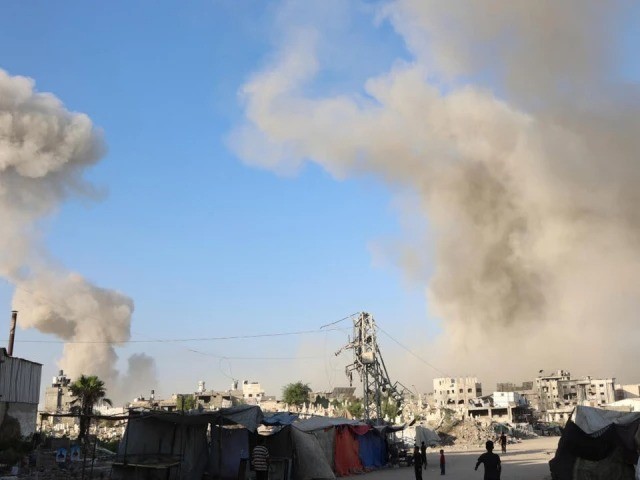
He also voiced concern over the destabilizing effects of the ongoing Iran-Israel conflict, warning that an escalation could lead to a massive influx of refugees into neighbouring countries, including Pakistan — further burdening a region already under economic and political strain.
Ambassador Asim Iftikhar highlighted that terror outfits like Al-Qaeda, TTP, and Baloch militant groups continue to exploit ungoverned spaces in Afghanistan, threatening regional stability and disrupting Pakistan’s strategic projects.
He revealed that Pakistan has seized a large cache of modern weapons — many of which were left behind by international forces during their 2021 withdrawal from Afghanistan.
“Just this April, Pakistani forces neutralized 54 TTP militants attempting to infiltrate the border — a stark reminder of the threat’s seriousness,” he noted.
He also disclosed credible intelligence linking TTP with other violent groups like the Baloch Liberation Army (BLA) and its Majeed Brigade, alleging that they are working together to sabotage critical infrastructure and economic development within Pakistan.
The Afghan Spillover and Pakistan’s Longstanding Burden
Touching on the humanitarian front, the ambassador pointed out that Pakistan has hosted millions of Afghan refugees for decades, and since the Taliban’s return in August 2021, over 1 million undocumented individuals have crossed into Pakistan, creating serious law and order challenges. He called for greater international burden-sharing to help Pakistan cope with the fallout.
The session also heard from Roza Otunbayeva, the UN Secretary-General’s Special Representative and head of UNAMA, who echoed concerns about regional instability, stating that missile strikes between Iran and Israel are already affecting Afghanistan’s economy, pushing up fuel and food prices, and prompting more Afghan returnees from Iran.
“Over 10,000 Afghans per day have returned from Iran in recent days,” she said, adding that more than 600,000 people have crossed into Afghanistan from Pakistan and Iran so far this year.
Despite limited resources, local Afghan communities and Taliban authorities are making efforts to accommodate the returning population, she said.
Pakistan Calls for Structured Engagement with Kabul
Ambassador Asim Iftikhar reiterated Pakistan’s support for efforts to stabilize Afghanistan’s economy, including reviving its banking system, and exploring ways to unfreeze Afghan assets. He emphasized Pakistan’s commitment to pragmatic engagement, citing ongoing high-level contacts between the two sides, including the role of Deputy Prime Minister and Foreign Minister Ishaq Dar.
He welcomed UN-led initiatives like the Doha Process, saying structured dialogue with Afghanistan’s de facto rulers was essential — but must be based on mutual commitments, a clear roadmap, and regional security considerations.
While reaffirming support for the Afghan people, he stressed the need for the Taliban authorities to meet international obligations, particularly regarding the rights of women and girls, which he said remain restricted in ways that contradict both Islamic values and global norms.
Pakistan Still Investing in Afghan Youth
The ambassador also highlighted the Allama Iqbal Scholarship Programme, under which 4,500 Afghan students — one-third of them women — are currently receiving higher education in Pakistan.
“Pakistan wants to see a peaceful, stable, and prosperous Afghanistan,” he concluded, “and we are ready to support international engagement — provided it’s realistic, reciprocal, and sensitive to Afghanistan’s unique context.”
Calling the two nations “bound by history, geography, language, faith, and culture,” the envoy emphasized that Pakistan will continue to push for dialogue and diplomacy as the only path toward lasting peace


