





WASHINGTON – August 6, 2025:
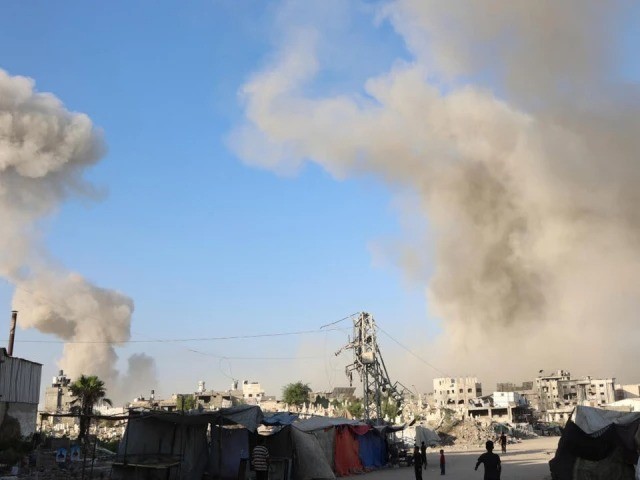
In a cautious statement on the future of Gaza, former U.S. President Donald Trump has said that decisions about the Israeli occupation of the enclave should be left to Israel, signaling a hands-off approach to one of the region’s most volatile issues
When asked by reporters about Israel’s reported intentions to establish full military control over the Gaza Strip, Trump avoided taking a firm stance. “We’re focused on getting more food into Gaza,” he said. “As for everything else—that’s largely up to Israel.”
The remarks come at a time when Israeli Prime Minister Benjamin Netanyahu held high-level consultations with military and intelligence officials, reportedly supporting a plan for full occupation of Gaza. The move has sparked fresh concerns about long-term stability in the region.
Meanwhile, sources familiar with the Trump team’s strategy say the former administration is considering placing humanitarian aid distribution in Gaza under direct U.S. oversight, in a bid to avoid entanglement with local political factions.
Hamas Opts Out of Future Gaza Governance
In a parallel development, Hamas has signaled that it will not take part in the governance of Gaza in any post-conflict scenario. A senior Hamas official, speaking to Arab TV on condition of anonymity, said the group has no interest in controlling border crossings or managing international aid efforts.
He emphasized Hamas’s support for international efforts aimed at preventing the forced displacement of Palestinians. “There is immense pressure on the Palestinian people and on Hamas,” the official said, adding that the group is adopting a more flexible posture toward a potential ceasefire.
The Hamas representative also criticized Netanyahu’s recent statements, describing them as reflective of Israel’s “deep-rooted hostility.” He warned that Israel’s plans for occupation could further inflame tensions, especially given the sensitivity surrounding the fate of Israeli hostages still believed to be held in Gaza.
While Trump’s noncommittal remarks may have been aimed at avoiding political backlash, they have also underscored the U.S.’s evolving approach to the crisis—balancing humanitarian aid with a reluctance to interfere in Israeli military decisions.
As international calls for a ceasefire grow louder, both Washington and regional players face increased pressure to define their roles in Gaza’s future—whether through diplomacy, aid, or deeper engagement.


