




Gaza/Washington — Former U.S. President Donald Trump has claimed that a ceasefire between Israel and Hamas could be reached “within the next week,” even as Israel’s ongoing offensive in the Gaza Strip continues to claim civilian lives.
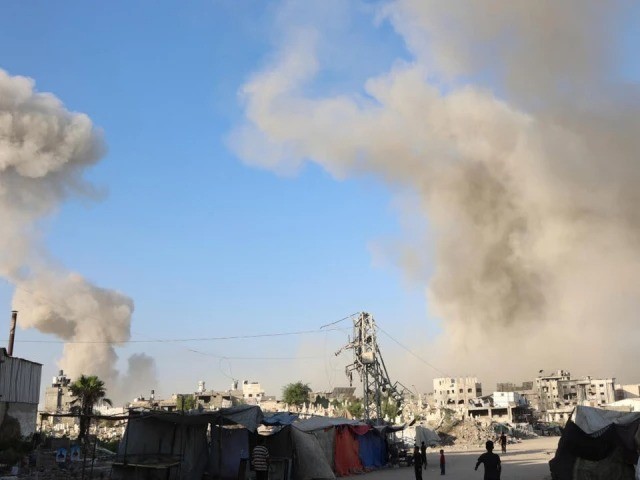
At least 14 Palestinians were killed in Israeli strikes across Gaza since dawn on Friday, according to local medical sources, underscoring the humanitarian toll amid renewed talk of a truce.
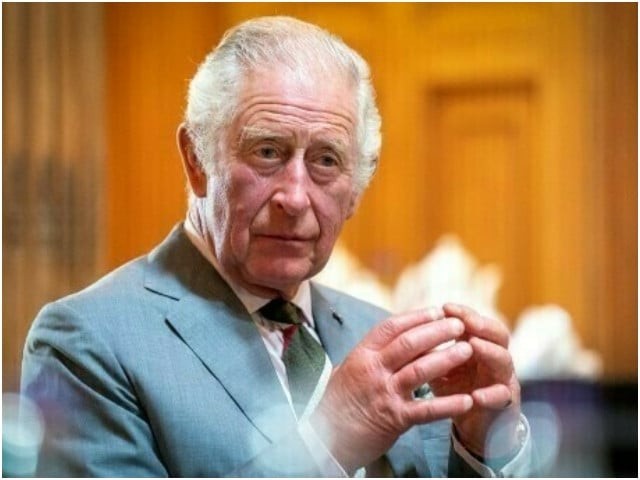
“I think it’s close,” Trump told reporters on Friday. “I just spoke to some of the people involved. We think within the next week we’re going to get a ceasefire.”
Trump did not name the parties he spoke to, and his envoy, Steve Witkoff, who was previously involved in indirect negotiations, declined to comment. A spokesperson for Witkoff said there was “no information to share” regarding the former president’s remarks.
Diplomatic Activity Ramps Up
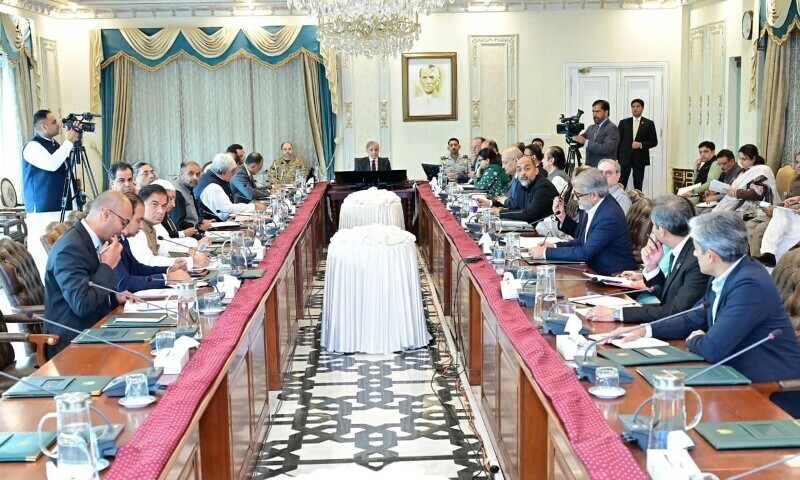
Trump’s comments come ahead of a planned visit by Israeli Minister for Strategic Affairs Ron Dermer to Washington next week, where he is expected to meet with Trump officials to discuss the Gaza war, Iran, and a potential White House visit by Prime Minister Benjamin Netanyahu.
Earlier this week, during the NATO summit in The Hague, Trump had already hinted at progress. “I think great progress is being made on Gaza,” he said. “We’re going to have some very good news.”
Trump added that his Middle East envoy had assured him that an agreement was “very close.”
Hamas Confirms Diplomatic Movement
In parallel, a senior Hamas official confirmed that negotiations had gained traction, crediting regional and international diplomatic channels for reenergizing the dialogue.
Hamas’s conditions for a ceasefire remain firm: a complete halt to Israeli military operations, withdrawal of troops from occupied zones in Gaza, and U.S. guarantees to prevent future breaches of any agreement.
Mounting Humanitarian Crisis
While diplomatic talks inch forward, the humanitarian crisis in Gaza continues to deepen.
The Gaza Government Media Office accused Israeli troops of deliberately firing at civilians, particularly at starving residents queuing for humanitarian aid. These allegations were echoed by Israeli media and have drawn sharp condemnation from human rights observers.
Philippe Lazzarini, head of the United Nations Relief and Works Agency (UNRWA), said that aid distribution points run by the Gaza Humanitarian Foundation (GHF) — an entity backed by the U.S. and Israel — have effectively turned into a “killing field.”
“Humanitarian workers are operating under fire, and those seeking help are risking their lives,” he said.
As both sides continue to battle on the ground and negotiate behind closed doors, questions remain about the durability of any future truce and the long-term prospects for peace in a region battered by repeated cycles of violence.


