





KARACHI:
In a decisive move to combat environmental pollution and protect public health, the Sindh government has imposed a complete ban on tyre burning and the operation of pyrolysis plants across the province.
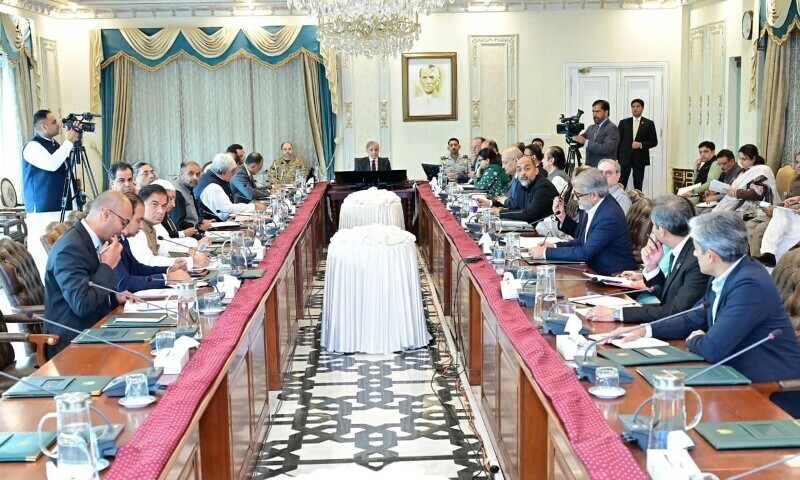
The decision came during a provincial cabinet meeting chaired by Chief Minister Murad Ali Shah, where ministers approved immediate action against all tyre-burning operations and substandard pyrolysis units. These operations have been identified as major sources of hazardous emissions affecting air, soil, and water quality.
Zubair Ahmed Channa, Secretary for Environment, Climate Change, and Coastal Development Sindh, confirmed the announcement, citing findings from a report submitted by the Sindh Environmental Protection Agency (SEPA). The report highlighted severe environmental and health risks arising from these practices.
“Smoke and toxic chemicals released from tyre burning and unregulated pyrolysis processes are heavily contaminating our air, soil, and water,” Channa said. “This pollution has triggered a rise in respiratory, cardiovascular, and neurological diseases, especially in urban centers like Karachi, where air quality has reached alarming levels.”
The provincial government has ordered the immediate closure of all such plants operating without proper environmental safeguards. To enforce this ban, Sindh has drafted new regulations titled Sindh Environmental Protection Agency (Prohibition of Use of Substandard Fuel/Tires) Rules, 2025. The rules aim to completely prohibit the use, manufacturing, and sale of substandard fuels, including tyre oil and other unsafe by-products.
Under the draft regulations, all fuel-processing and recycling plants must acquire proper licenses, install emission control systems, and adhere to strict environmental standards. Violators may face penalties ranging from heavy fines and seizure of equipment to permanent closure of facilities.
Secretary Channa emphasized that the provincial government is fully authorized under the Sindh Environmental Protection Act, 2014 to implement such measures. “This is a significant and practical step toward sustainable development, cleaner air, and a healthier environment for the people of Sindh,” he added.


