





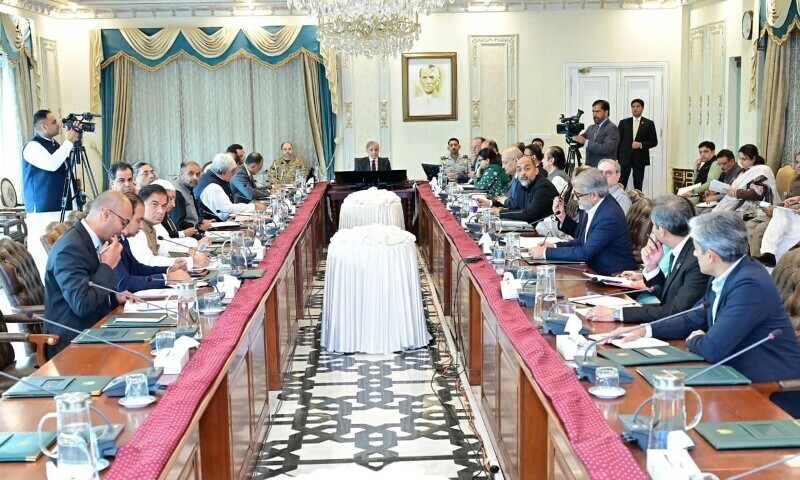

KARACHI — In response to growing criticism over Karachi’s newly launched e-challan system, Sindh Chief Minister Murad Ali Shah has directed traffic authorities to waive the first e-challan issued to any motorist as a goodwill measure, while warning that repeat offenders will face strict penalties.
During a high-level meeting on Thursday, Inspector General of Police (IGP) Ghulam Nabi Memon briefed the chief minister on the system’s implementation and its initial outcomes. The report revealed that even government-owned vehicles were not spared at least 35 vehicles with official number plates were issued e-challans under the new system.
The IGP further shared that multiple motorists were fined for common violations, including not wearing seatbelts, jumping red lights, using mobile phones while driving, and installing tinted glasses. The CM was also informed that the e-ticketing drive began on October 28, when the first e-challan was issued to a police van (SPE-950) for not wearing a seatbelt.
Chief Minister Shah noted that the new faceless ticketing system was designed to promote fairness and reduce confrontation between citizens and traffic police. “This initiative ensures equal treatment under the law and brings transparency to road enforcement,” he said.
In line with the CM’s instructions, the IGP announced that any citizen who receives their first e-challan can have it waived provided they contact traffic authorities within ten days of issuance.
According to traffic police data, a total of 12,942 e-challans have been issued across Karachi in just three days. On the first day alone, 2,622 tickets were generated within six hours, followed by 4,301 on the second day and 5,979 on the third.
Officials claim the system aims to eliminate corruption and human discretion from traffic enforcement. However, with mounting complaints from citizens about technical errors and incorrect fines, the provincial government now faces pressure to ensure the system is both fair and accurate before expanding it further.


