





The newly released 7th Agriculture and Livestock Census has pulled the curtain back on the rapidly evolving rural landscape of Pakistan and the picture it paints is both revealing and worrying.
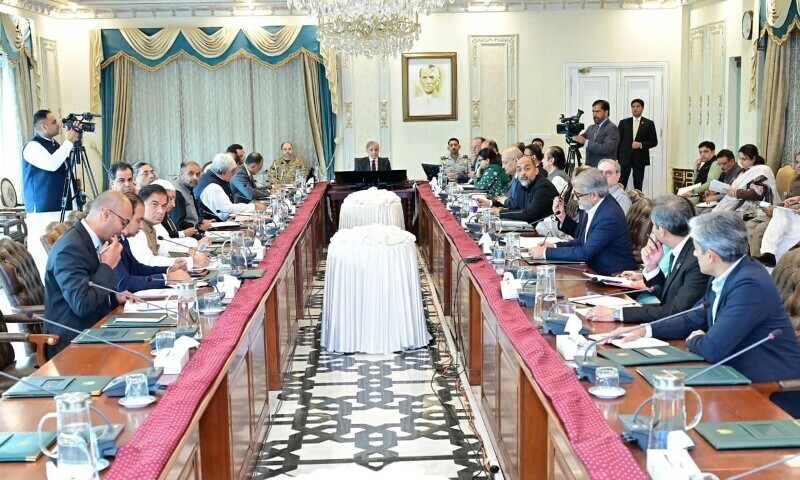
According to the data published by the Pakistan Bureau of Statistics (PBS), a staggering 97% of Pakistani farmers now own less than 12.5 acres of land. Even more concerning is the fact that the average farm size has dropped from 6.4 acres in 2010 to just 5.1 acres in 2024. Planning Minister Ahsan Iqbal, speaking at the official launch of the report, labeled the shrinking scale of farming as a serious threat to economic sustainability.
“This is a wake-up call. Small landholdings limit our ability to adopt modern practices and scale up production. We need to support our small farmers if we want agriculture to truly drive growth,” said Iqbal.
The census, which took place after a 15-year hiatus, provides a rare glimpse into the country’s largely undocumented rural economy from land distribution and irrigation to livestock and mechanization.
Land: Divided and Diminishing
One of the most striking insights was the degree of land fragmentation. Back in 2010, about 89% of farmers owned less than 12.5 acres. That figure has now surged to 97%, largely due to inherited land being split among heirs and families selling land to cover rising costs. In fact, over 61% of all farmers now own less than 2.5 acres a size too small to support a family using traditional methods.
Even more striking is that 26% of farmers own less than one acre, compared to just 15% in 2010. Only 16,958 individuals in the entire country own more than 100 acres, collectively holding 6.2% of the total farm land, with an average ownership of 215 acres each.
Ownership Trends: Shift Toward Owner-Operated Farms
The census shows a notable rise in owner-operated farms 10.4 million in 2024 compared to 6.74 million in 2010. In contrast, tenancy-based farming has seen a sharp decline. Only 770,000 farms are now run solely by tenants, and 550,000 operate on a mixed owner-cum-tenant model. This trend suggests a gradual formalization of farm ownership in the countryside.
Punjab leads with 5.1 million farms, though it has seen a decline of 217,000 farms over the last 15 years, possibly due to rapid urbanization and unchecked expansion of housing societies. Khyber Pakhtunkhwa has 4.2 million farms, Sindh 1.8 million, and Balochistan 630,000.
Irrigation and Cultivation: Expanding But Still Uneven
The total cultivated area has grown from 42.6 million acres in 2010 to 52.8 million acres in 2024, while the overall farm area now stands at 59.3 million acres. Irrigated land makes up a large portion 45.9 million acres with 14.4 million acres irrigated by canals alone. Punjab dominates this category too, with 27.1 million acres under irrigation.
However, non-irrigated or rain-fed farming has shrunk dramatically from 8.4 million acres in 2010 to just 4.9 million acres this year signaling a growing reliance on formal irrigation systems. In Balochistan, traditional systems like Rod Kohi and Karez are still in use, preserving ancient water practices amidst scarcity.
Cropping Patterns: Wheat Dominates, Cotton Declines
Pakistan’s total cropped area rose sharply to 82.8 million acres in 2024, up from 68 million acres in 2010. Wheat continues to be the dominant crop, with its share increasing slightly from 42% to 43.3%. Maize cultivation also grew from 4% to 5.1%, while rice dipped slightly to 12.9%. Cotton’s share, however, has nearly halved from 14% in 2010 to just 7.9% a trend that could have broader implications for the textile industry.
Sugarcane and fodder also saw marginal shifts, with fodder increasing slightly from 9% to 9.5%. These cropping trends reflect shifting market demands, climate considerations, and water availability.
Livestock: The Silent Giant
Often overshadowed by crops, livestock now holds the largest share in the agriculture sector — accounting for 63.6% of total agricultural activity. In 2024, Pakistan’s livestock population reached 251.3 million, marking a solid annual growth rate of 3.1%.
Punjab leads the pack with 104 million animals and maintains top numbers in cattle, buffaloes, horses, and donkeys. Khyber Pakhtunkhwa reported 48.7 million animals, including 22.5 million goats. Balochistan, with 47.9 million livestock, has the highest sheep population 18.8 million reflecting the province’s terrain and traditional nomadic livelihoods.
Gender Dynamics: A Male-Dominated Sector
The census also highlighted a glaring gender disparity: 98.5% of agricultural households are headed by men. While women form the backbone of agricultural labor, especially in tasks like sowing, weeding, and harvesting, their absence from ownership and decision-making remains stark.
The Road Ahead
The 2024 Agriculture and Livestock Census offers invaluable data for policymakers, economists, and development experts. For a country where over 40 million people directly depend on agriculture, the findings demand urgent reforms in land consolidation, irrigation efficiency, crop diversification, and farmer support programs.
As the Planning Minister aptly put it, “Our small farmers are the backbone of this nation. If we want to secure our economic future, we need to invest in theirs.”


