




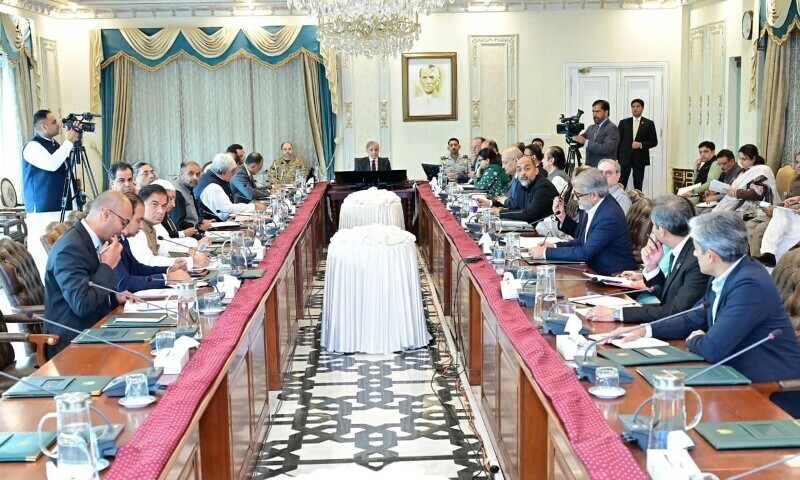

At the United Nations, Prime Minister Shehbaz Sharif delivered a clear message to the world: when it comes to tackling climate change, loans are not the solution. Vulnerable countries, already struggling with debt and disasters, need direct financial support in the form of grants, not burdensome repayments that tighten the noose around their economies.
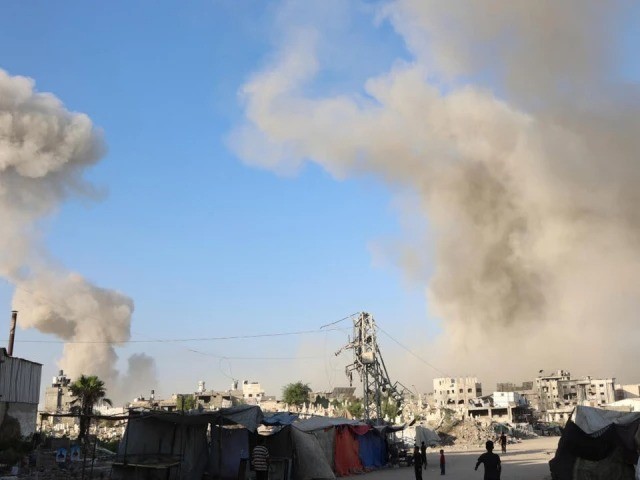
Pakistan is a stark example of this reality. In recent years, the country has faced record-breaking monsoon rains, urban flooding, and unprecedented heatwaves. The devastation of the 2022 floods alone inflicted losses estimated at nearly $30 billion. Millions were displaced, infrastructure was destroyed, and recovery is still far from complete. These disasters, Sharif argued, prove that the nations least responsible for climate change are paying the highest price.
In his remarks, the Prime Minister reminded the global community that piling loans on top of this destruction only deepens the wound. Debt repayment drains resources that should instead be invested in resilience, reconstruction, and long-term adaptation. “We don’t need more shackles,” was the essence of his plea countries on the frontlines of the climate crisis need lifelines.
Despite its challenges, Pakistan has not abandoned its commitments to cleaner growth. The government has set ambitious targets: expanding renewable energy, boosting hydropower capacity, and shifting 30% of the transport sector to sustainable modes by 2030. These plans, however, cannot succeed without steady, unconditional support. Grants, unlike loans, allow vulnerable nations to pursue these transitions without being trapped in cycles of debt.
The bigger picture is hard to ignore. Climate change is not just an environmental issue it’s a question of public safety, food security, economic survival, and global stability. If the international community continues to rely on loans as its primary tool of assistance, today’s help could become tomorrow’s burden.
The call from Pakistan’s leadership reflects a growing consensus across the Global South: climate justice requires more than words. It demands financing that empowers, not financing that enslaves. For the world to move forward together, climate aid must come in the form of grants because survival should never come with interest rates.


