





Islamabad | July 19, 2025
In a landmark legislative shift, the Senate of Pakistan on Friday passed the Criminal Law (Amendment) Bill, 2025, eliminating the death penalty in certain offences — including public humiliation and disrobing of women, and harbouring of hijackers. Instead, the bill proposes a maximum punishment of 25 years in prison, reflecting a broader rethinking of punitive justice in the country.
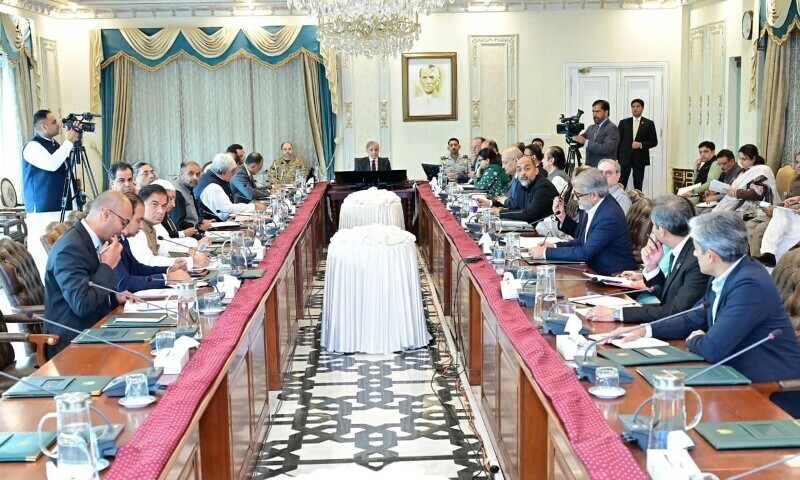
Chaired by Deputy Senate Chairman Syedal Khan Nasir, the upper house also greenlit two other important amendments — to the Extradition Act, 1972, and the Pakistan Citizenship Act, 1951 — all moved by Minister of State for Interior Talal Chaudhry.
Replacing Death with Deterrence
At the center of the debate was a revision of Sections 354-A and 402-C of the Pakistan Penal Code (PPC). These sections, originally introduced during the martial law era under General Zia-ul-Haq, had imposed the death penalty for acts such as public disrobing of women — a punishment symbolizing the state’s zero-tolerance stance at the time.
However, Law Minister Azam Nazeer Tarar argued passionately for change, stating that “severity of punishment doesn’t necessarily reduce crime.” Instead, he called for systemic reform, urging the Senate to undo what he called a “terrible gift” of the martial law era.
“The system needs to be fixed, not just feared,” Tarar said. “We already have four specific crimes punishable by death under Sharia law — outside of that, we must reconsider capital punishment.”
The move wasn’t without opposition. Senators Ali Zafar and Samina Mumtaz Zehri voiced their reservations, questioning whether reducing penalties might embolden criminals. But the bill ultimately passed with majority support.
Extradition Reform: Speeding Up the Bureaucracy
The Senate also passed the Extradition (Amendment) Bill, 2025, streamlining what many considered a cumbersome and time-consuming process.
Under current laws, extradition requests must pass through two rounds of Cabinet approval, a process often delayed by packed schedules and political bottlenecks. The new amendment removes the requirement of Cabinet approval at the initial stage, allowing cases to progress more efficiently through the legal system.
Law Minister Tarar clarified that this would not compromise oversight, as extradition would still be subject to final government scrutiny.
A Welcome Change for the Diaspora
The third major bill — an amendment to the Pakistan Citizenship Act, 1951 — was aimed at addressing a long-standing concern for overseas Pakistanis. Many in the diaspora had been forced to give up their Pakistani citizenship in order to gain residency or nationality in another country.
The new law provides these individuals with a legal pathway to reclaim their Pakistani citizenship, especially where dual nationality agreements have been signed post-facto.
It’s a move that signals greater inclusivity and acknowledges the economic and cultural importance of overseas Pakistanis — long hailed as key contributors to the national economy through remittances and investment.
Focus on Education and Governance
In a separate development, Minister of State for Education Wajiha Qamar tabled the Federal Board of Intermediate and Secondary Education (Amendment) Bill, 2025.
The bill proposes a structural overhaul of the board, allowing it to function with greater autonomy and in line with international best practices. The amendments would also permit the board to enter into global collaborations and adopt a more inclusive governance structure with provincial representation.
“This is part of a broader plan to decentralize governance and reduce the load on the federal cabinet,” said Law Minister Tarar, explaining that decision-making power is being shifted closer to the institutions themselves.
Disturbing Reports from Serbia
The session also took a serious turn when Senator Humayun Mohmand raised alarm over reports that Pakistani girls sent to Serbia by private recruitment firms had allegedly been forced into prostitution.
Minister of State for Law Barrister Aqeel Malik clarified that the Pakistani diplomatic mission in Serbia was not involved, noting that 38 individuals had been sent to Serbia for agricultural work. Nevertheless, the Senate chair ordered the matter to be referred to the relevant committee for further investigation.


