

FAISALABAD:
In what officials are calling a landmark step toward tackling pollution and water scarcity, the Water and Sanitation Agency (WASA) Faisalabad has signed an agreement with Denmark-based construction firm Munck to build Punjab’s largest wastewater treatment plant.
The 33-million-gallon-per-day (MGD) facility will be developed on the outskirts of Faisalabad and is scheduled for completion by 2028. Once operational, the plant will not only treat sewage before it flows into the Ravi and Chenab rivers but will also make the water safe enough for agricultural use.
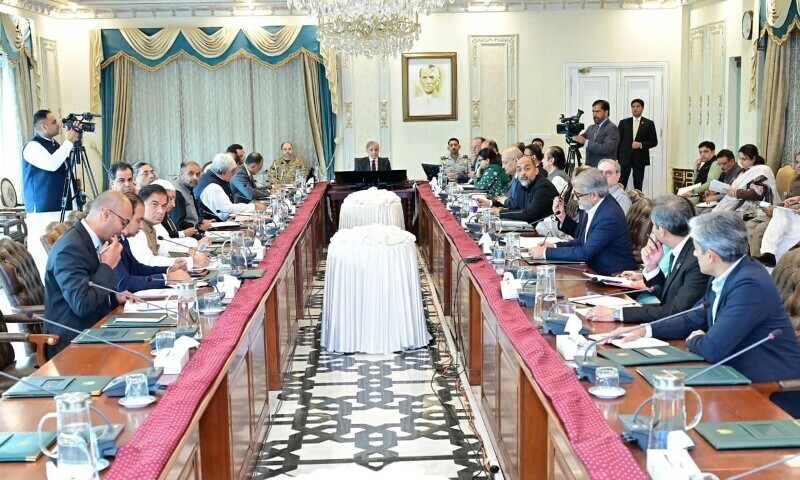
The signing ceremony, held in Faisalabad, was presided over by WASA Managing Director Sohail Qadir Cheema. It was attended by senior representatives, including Peter Emil Nielsen, Head of the Embassy of Denmark in Pakistan, and Yasir Mubeen, Senior Chief of Urban Development at the Punjab Planning and Development Board.
Cheema described the project as “a long-awaited breakthrough,” noting that untreated wastewater has for decades been discharged directly into Punjab’s rivers, creating both environmental hazards and public health risks. He thanked the governments of Pakistan and Denmark for their cooperation, adding that the project could become a model for future collaborations.
Speaking at the event, Nielsen said Denmark was proud to partner with Pakistan in addressing pressing environmental issues. “This project is not just about cleaner rivers it’s about healthier communities and a better future for Faisalabad,” he said.
Punjab government official Yasir Mubeen called the initiative a vital part of Chief Minister Maryam Nawaz’s broader vision to modernize urban infrastructure. He said billions of rupees had been allocated for sewerage upgrades and safe drinking water systems across Punjab, efforts he believes will significantly reduce disease outbreaks linked to contaminated water.
Project Director Kamran Raza, who signed the agreement on behalf of WASA, described the treatment plant as “a revolutionary step for Faisalabad.” He confirmed that consultants and contractors had already been mobilized to begin preliminary work.
The ceremony concluded with presentations by the consulting and contracting teams, followed by the exchange of souvenirs featuring Faisalabad’s iconic Clock Tower a symbolic reminder of the city’s heritage as it moves toward a cleaner, more sustainable future.