



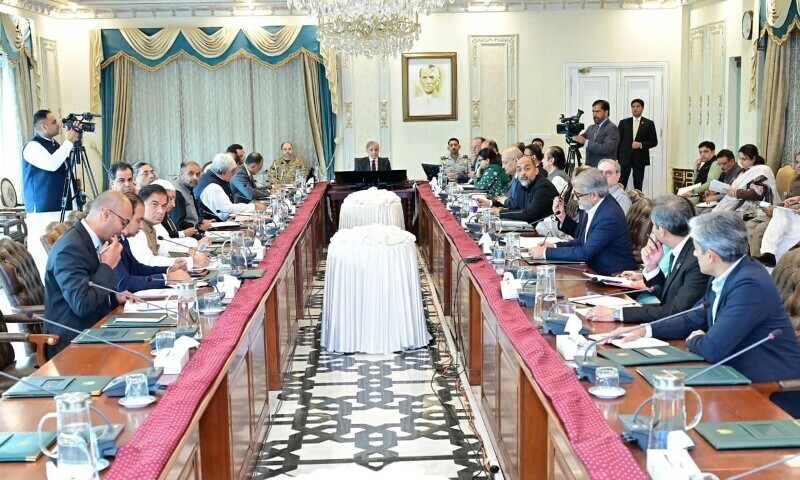

ISLAMABAD – Interior Minister Mohsin Naqvi on Thursday revealed that Prime Minister Shehbaz Sharif played a key role in facilitating the recent ceasefire between Iran and Israel after nearly two weeks of escalating attacks between the two adversaries.
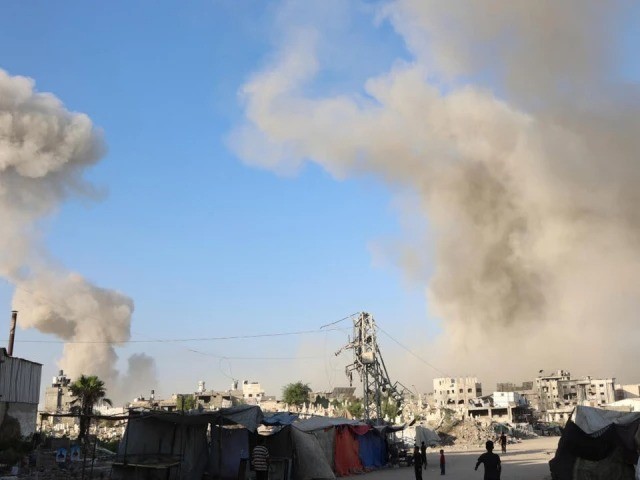
Speaking to reporters during a press conference alongside religious scholars to discuss Muharram security arrangements, Naqvi highlighted the diplomatic efforts led by the Pakistani premier during the Middle East crisis, which erupted last month following Israel’s airstrikes in Iran that killed senior military officials and nuclear scientists. In retaliation, Tehran launched ballistic missiles at Israeli cities, claiming to have inflicted considerable damage.
Naqvi said that throughout the tense period, Pakistan stood firmly with Iran at international forums, including the UN Security Council and the Organisation of Islamic Cooperation, condemning Israeli aggression. He added that Prime Minister Shehbaz held a telephonic conversation with Iranian President Pezeshkian, who appreciated Islamabad’s consistent and principled stance in support of Tehran.
“The prime minister’s efforts were instrumental in achieving the ceasefire between Iran and Israel,” Naqvi said.
Turning to regional tensions closer to home, Naqvi also touched upon the recent military confrontation with India, stating that Pakistan did not sustain significant damage during the 87-hour conflict. He explained that India fired around 11 missiles targeting a Pakistani military base but failed to hit any of its intended targets.
“None of the missiles fired by India reached their target. Not a single aircraft was damaged,” the minister said, adding that Pakistan had deliberately refrained from targeting civilian populations across the border.
The recent standoff between the two nuclear-armed neighbours began after India launched unprovoked airstrikes on multiple Pakistani cities in retaliation for the Pahalgam incident in Indian Illegally Occupied Jammu and Kashmir, where 26 tourists lost their lives. Pakistan’s armed forces responded with “Operation Bunyan-um-Marsoos”, targeting Indian military installations in several regions.
According to officials, at least 53 Pakistanis, including 13 military personnel and 40 civilians, were martyred during the Indian strikes.
During the presser, Minister of State for Interior Talal Chaudhary urged all segments of society to uphold unity and sectarian harmony, particularly during Muharram, to ensure peace and defeat any potential terrorist threats.
Naqvi echoed similar sentiments, emphasizing that maintaining law and order was a shared responsibility between religious scholars and law enforcement agencies.


