




Pakistan’s unemployment rate has surged to 7.1% in 2024–25, rising steadily over the last five years as the country continues to grapple with economic instability. The Labour Force Survey (LFS), released this week, shows a noticeable jump from the 6.3% rate recorded in 2020–21, reflecting the pressure on households and youth in particular.
According to the survey, the number of unemployed individuals has climbed from 4.51 million in 2020–21 to 5.9 million this year. Khyber Pakhtunkhwa tops the list with the highest unemployment rate at 9.6%, followed by Punjab at 7.3%. Balochistan and Sindh registered slightly lower unemployment levels at 5.5% and 5.3% respectively.
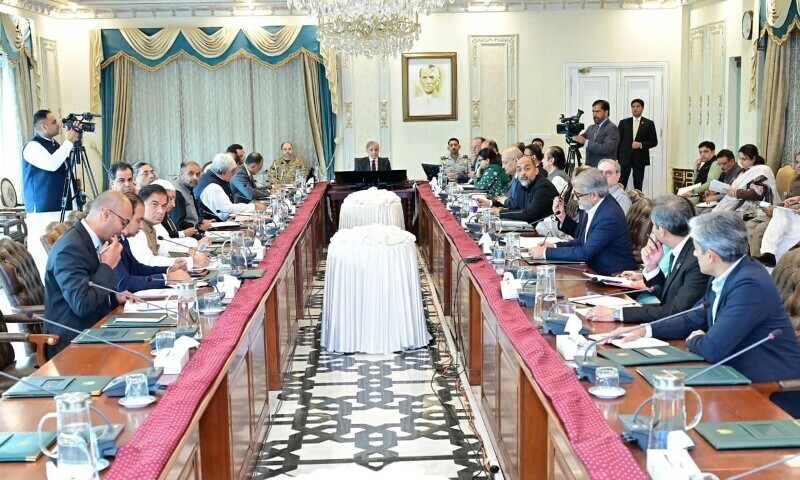
At the launch of the report, Minister for Planning Ahsan Iqbal attributed the rise in unemployment to multiple factors — including the restrictive IMF programme, reduced economic activity, and back-to-back climate disasters that disrupted livelihoods. He added that while the IMF programme caused economic contraction, the government is now hopeful that macroeconomic stability will pave the way for new job opportunities.
The survey also highlights a worrying trend for young people. Unemployment among those aged 15–24 stands at a concerning 12.9%, the highest among all age groups. Women continue to bear the brunt of joblessness, reporting a 10.5% unemployment rate compared to 6% among men. For women aged 25–34, unemployment spiked to 14.9%.
Educational background appears to be a major factor. Individuals without schooling saw a rise in unemployment from 3.2% to 4.4%. Intermediate-level individuals also faced an increase, from 11.7% to 12.5%. On the other hand, unemployment fell for matric-level individuals and significantly for degree holders, whose rate dropped from 16.3% to 10.9% — though women with higher education continue to face the most difficulty finding work, with a staggering 23.9% unemployment rate.
Pakistan’s total labour force has grown sharply as well, expanding from 71.76 million in 2020–21 to 85.62 million in 2024–25 — an increase of about 3.5 million individuals per year. Punjab remains the largest contributor to the workforce, followed by Sindh, KP and Balochistan.
Employment figures show a similar upward trend. The number of employed people has risen from 67.25 million to nearly 79.7 million, with rural areas contributing the majority of this growth. Agriculture, forestry and fishing continue to be the largest employment sectors, absorbing about one-third of the workforce.
The survey reveals that men dominate the labour force — making up 75% of it — despite being just over half of the working-age population. Women, who form 48.8% of the working-age group, account for only 25% of the labour force, underlining persistent gender disparities in economic participation.
Informal employment remains widespread, accounting for nearly half of all non-agricultural jobs. Women are almost twice as likely to be employed informally compared to formal sectors, especially in rural areas.
Youth unemployment has risen across the country, increasing nationally from 11.1% to 12.6%. Three provinces — KP, Punjab and Balochistan — have seen an improvement in youth employment-to-population ratios, while Sindh recorded a decline.
Overall, the data underscores a critical challenge for policymakers: while the workforce has grown, job creation has not kept pace evenly across regions, genders or educational levels. The government hopes that renewed economic activity in the coming months will help absorb the rising number of job seekers.


